Bieszczady
The Bieszczady invite a different pace: forested hills, open mountain meadows, wooden religious buildings and small settlements where the landscape carries traces of difficult history.
The region is often described through solitude, but it is neither empty nor outside time. A rewarding visit combines nature with cultural understanding, using the right base and leaving flexibility for weather rather than treating the mountains as a fixed checklist.Suggested stay
Region
Trip style
Explore this page
Have any other questions?
Need more information before planning your visit to Bieszczady? Get in touch with us to discuss your ideas, ask a question or explore options for your trip.
Read the landscape as both nature and history
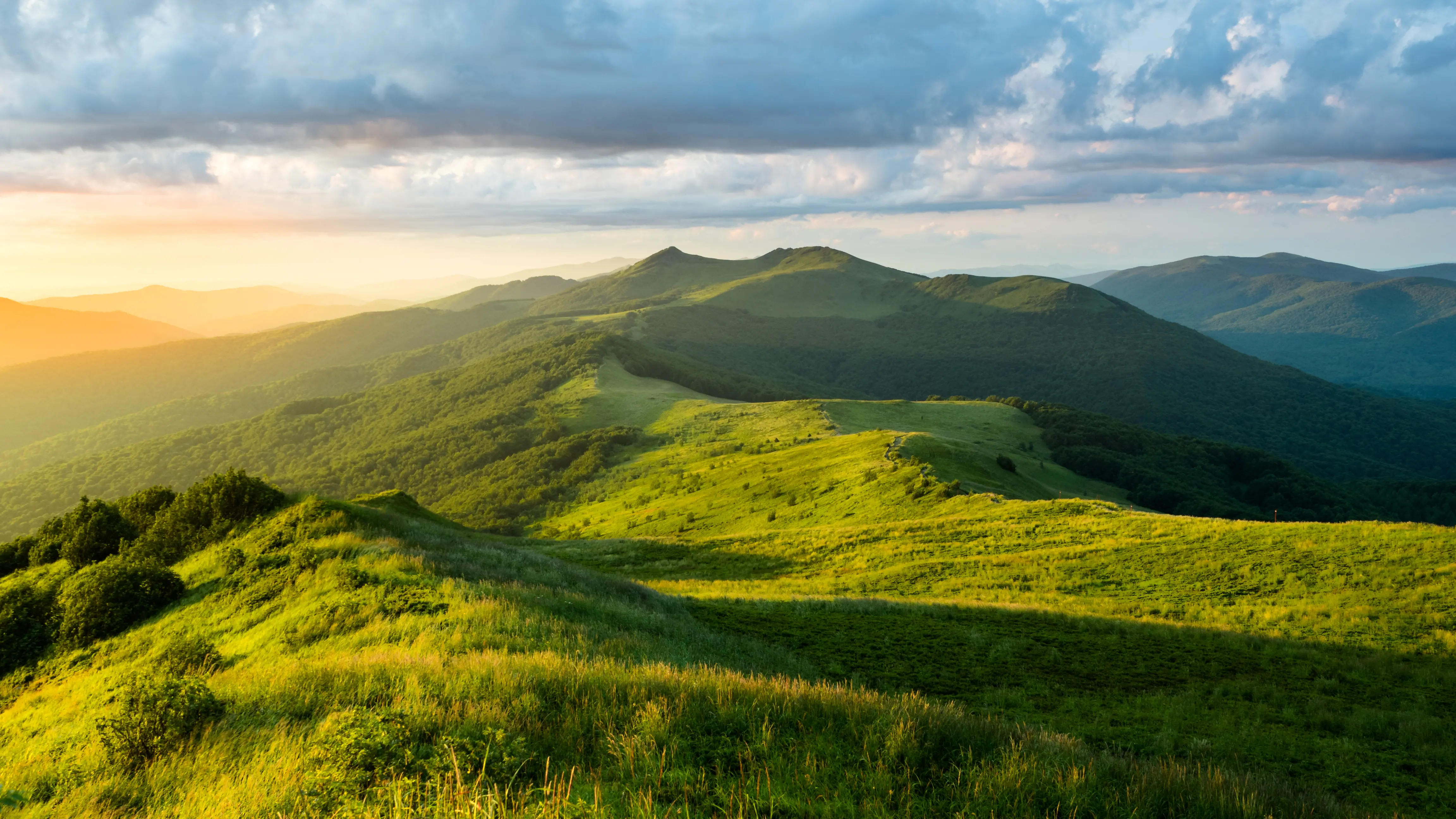
The southeastern Carpathian landscape includes beech forests, valleys and the open high meadows known as połoniny. Their appearance changes with season and weather, from fresh spring growth to the muted colors of autumn. The national park protects ecosystems whose importance extends beyond their scenic value.
Human history is equally important. Villages, orchards, cemeteries and surviving wooden churches recall communities whose lives were profoundly disrupted by war and postwar displacement. Boyko and Lemko heritage, alongside other regional histories, needs careful explanation. A meadow or seemingly empty valley may contain traces of a former settlement rather than represent a landscape that has never been inhabited.
The creation of Lake Solina brought another major transformation. This is a reservoir, not a natural mountain lake, and its development changed valleys and settlements. Contemporary tourism, forestry and local life add further layers to the region.
A thoughtful itinerary connects these perspectives. It avoids describing the Bieszczady as Poland’s last untouched wilderness, while still recognizing the value of its forests, quieter places and protected landscapes. The region rewards time, interpretation and a willingness to adapt the day to actual conditions.
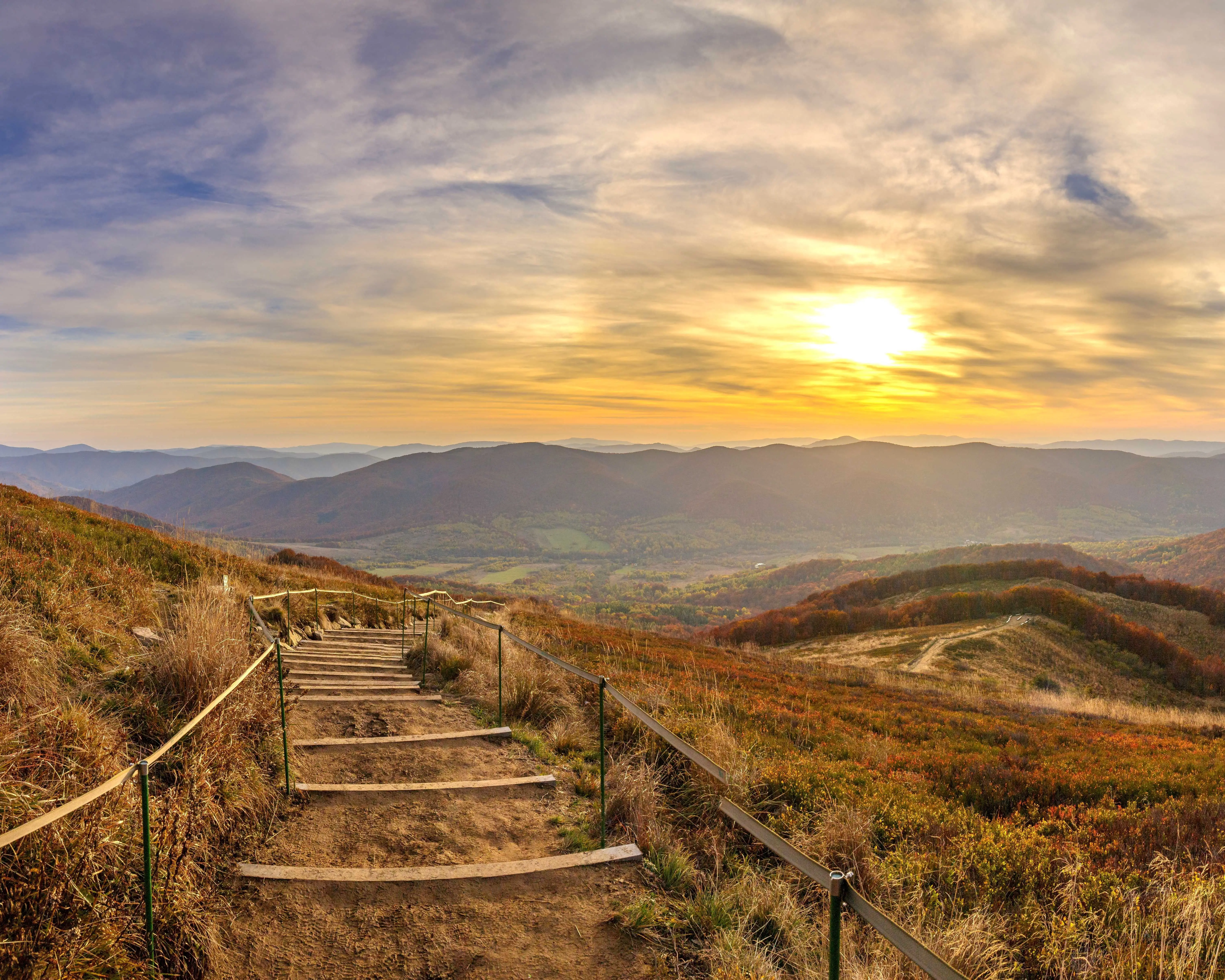
Landscapes and places to choose between
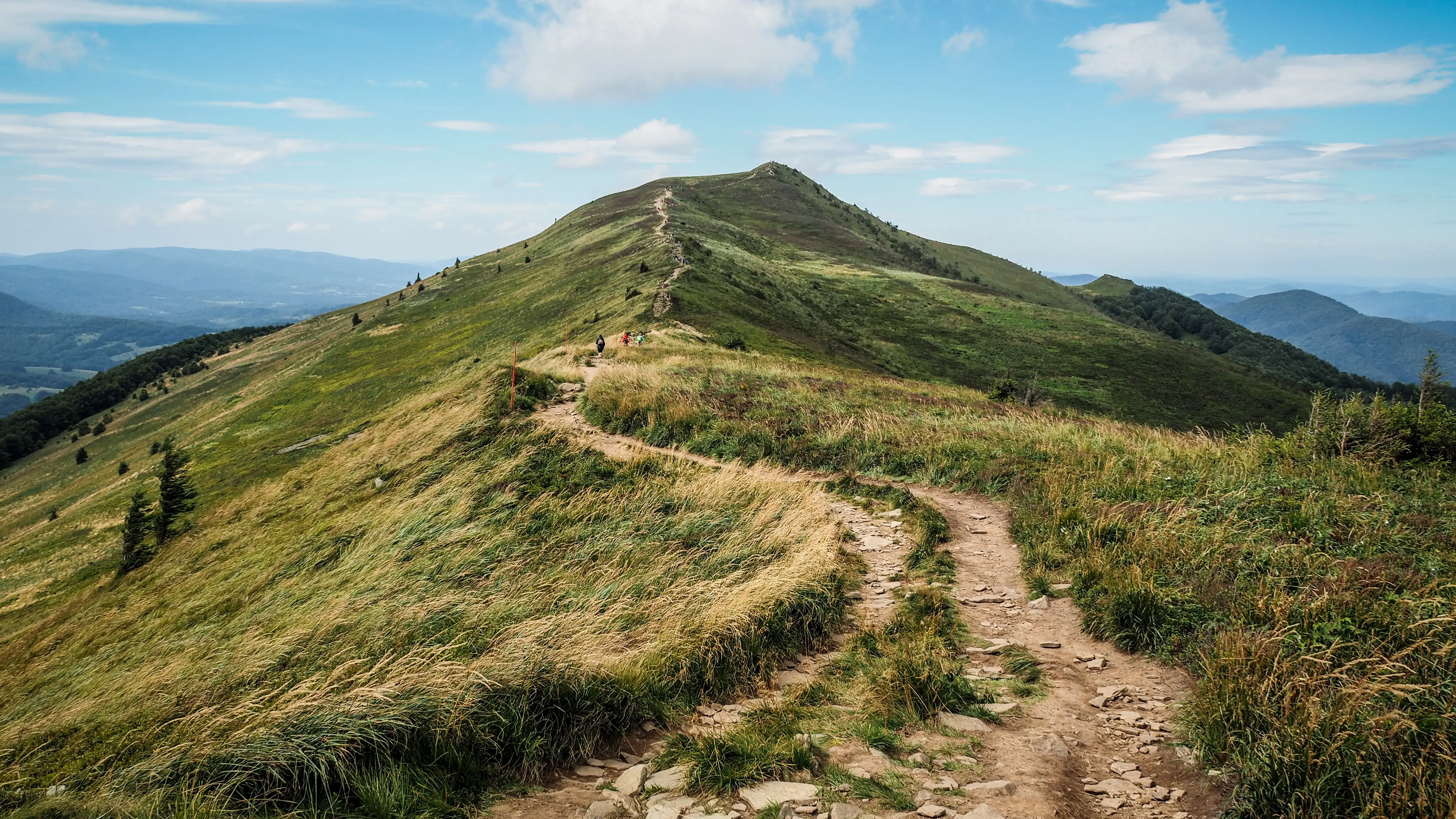
Bieszczady National Park
The national park is the core reference for understanding the higher mountain landscape and its ecosystems. Beech forests, wildlife habitats and the połoniny form a varied environment rather than one uniform mountain experience.
Select activities using current park guidance and the abilities of the group. A nature-focused stay can include educational visits and gentler routes; it does not require a demanding high-level walk. Weather, seasonal restrictions and access arrangements must shape the day. The most valuable experience often comes from observing a manageable area carefully with local interpretation.
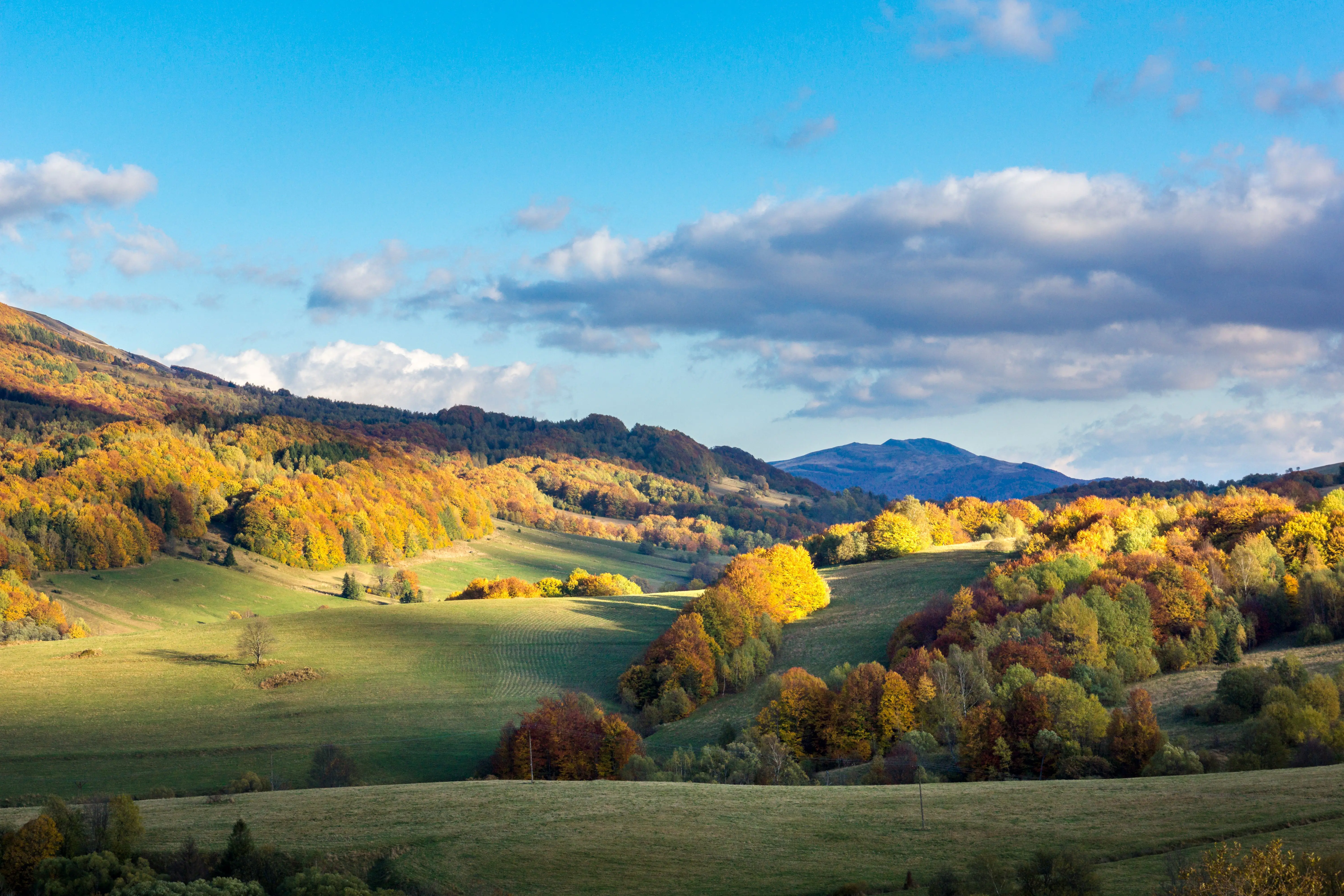
The połoniny
The open mountain meadows are among the region’s defining landscapes. Their broad views and changing vegetation create a different impression from the sharply cut peaks associated with the Tatras. They belong within a protected mountain environment, not an unrestricted picnic area.
Any visit should be selected according to conditions, fitness and the actual route. Exposed places can be affected by wind and rapidly changing weather. There is no need to promise a particular summit or panoramic view in advance. A suitable forest or valley experience can be the better choice on a given day.
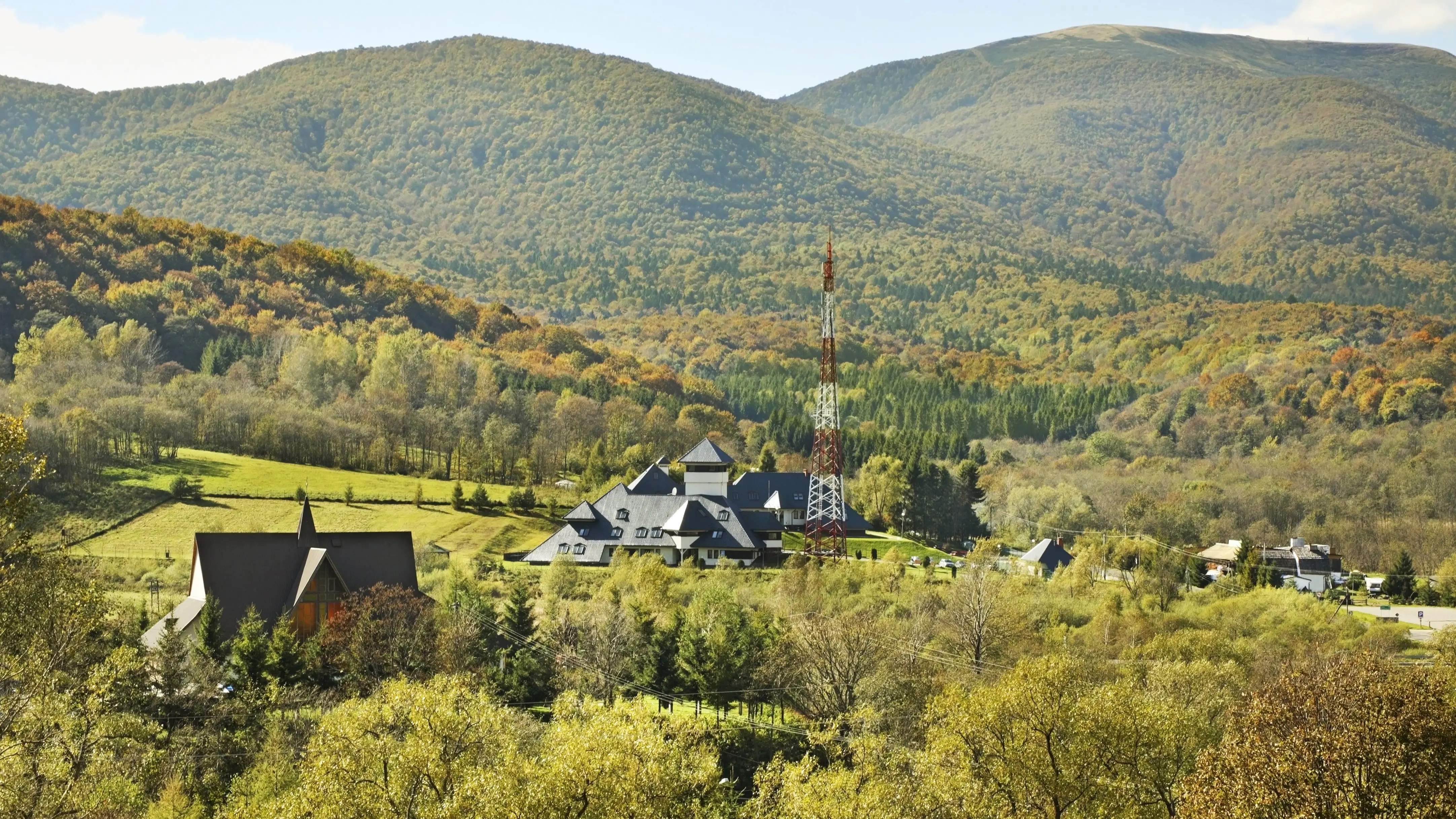
Ustrzyki Górne and the mountain villages
Ustrzyki Górne and nearby settlements provide access to the national park landscape and a base for some nature-focused stays. Their role is different from that of a large resort town, and the available services should be considered when choosing accommodation.
A good base reduces unnecessary driving and allows flexible days. It is worth deciding whether the priority is the higher park landscape, the western valleys or the Solina area before booking rooms. These areas are not interchangeable, and repeated long returns to the same hotel can undermine the slower pace travelers came to find.
Cisna and the western valleys
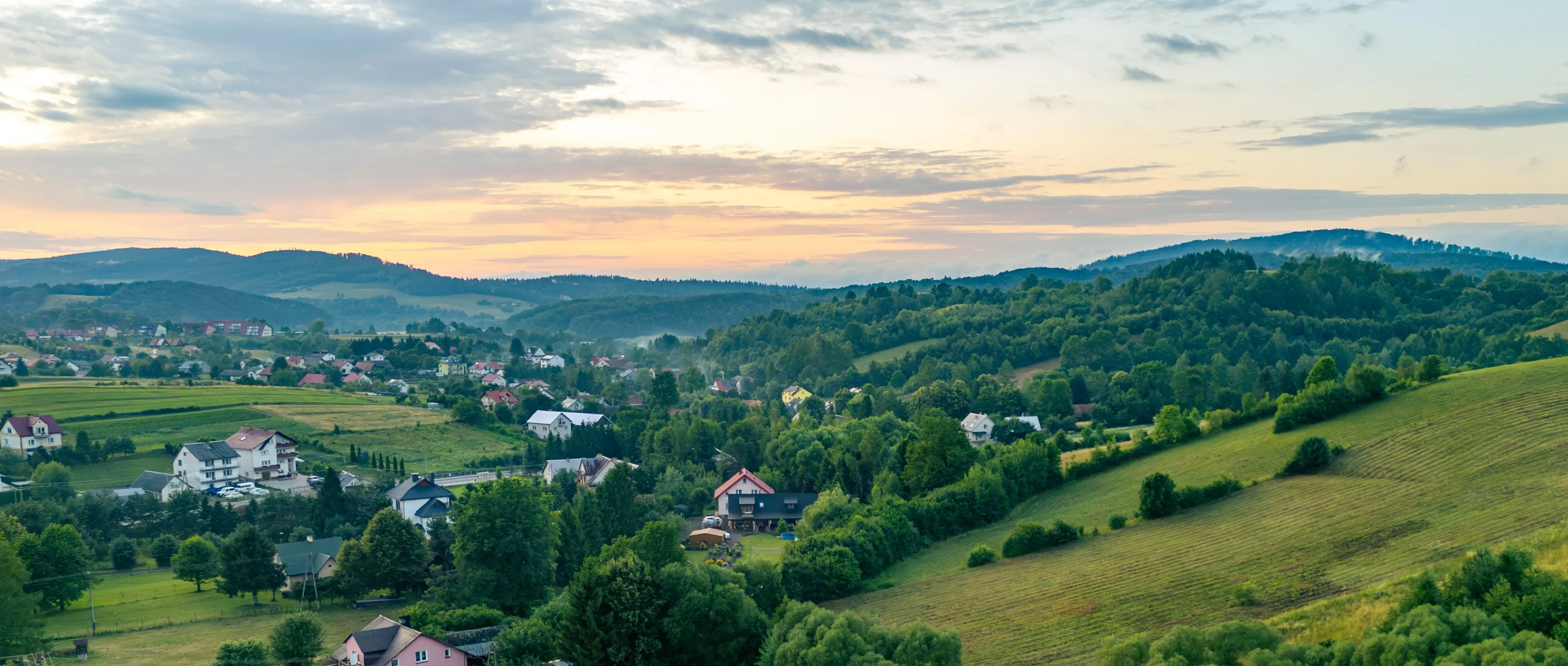
Cisna and the western part of the region offer another base and landscape perspective. Forests, smaller settlements and traces of former industries create a route that can balance nature with cultural history.
The area works well for a longer stay that does not depend entirely on the highest mountain routes. Select local experiences and visits around current availability. A regional program becomes more rewarding when it includes the stories of settlements and work, not only the view from the road between them.
Lake Solina and Polańczyk
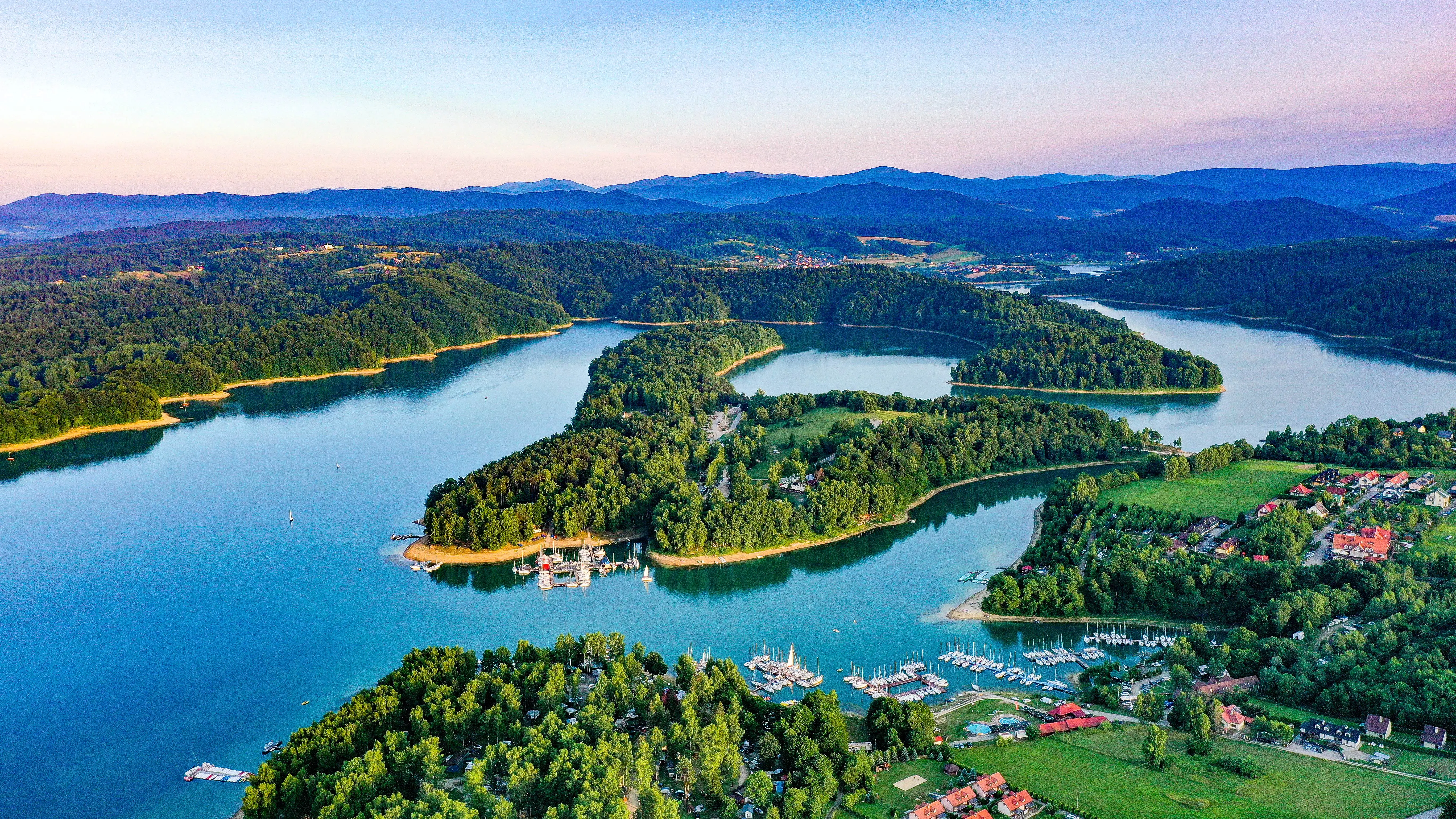
Lake Solina offers a water-based landscape within the broader mountain region. The reservoir, its shoreline and surrounding visitor settlements create a different experience from the national park. Polańczyk can suit travelers who prefer a more resort-oriented base.
Boat trips and other services are seasonal and weather-dependent. The history of the reservoir should be acknowledged rather than presenting it as a natural lake untouched by human intervention. A stay can combine waterfront time with selected cultural excursions, but should not assume easy access to every mountain area from one lakeside hotel.
Cultural heritage in the region and its gateways
Wooden tserkvas
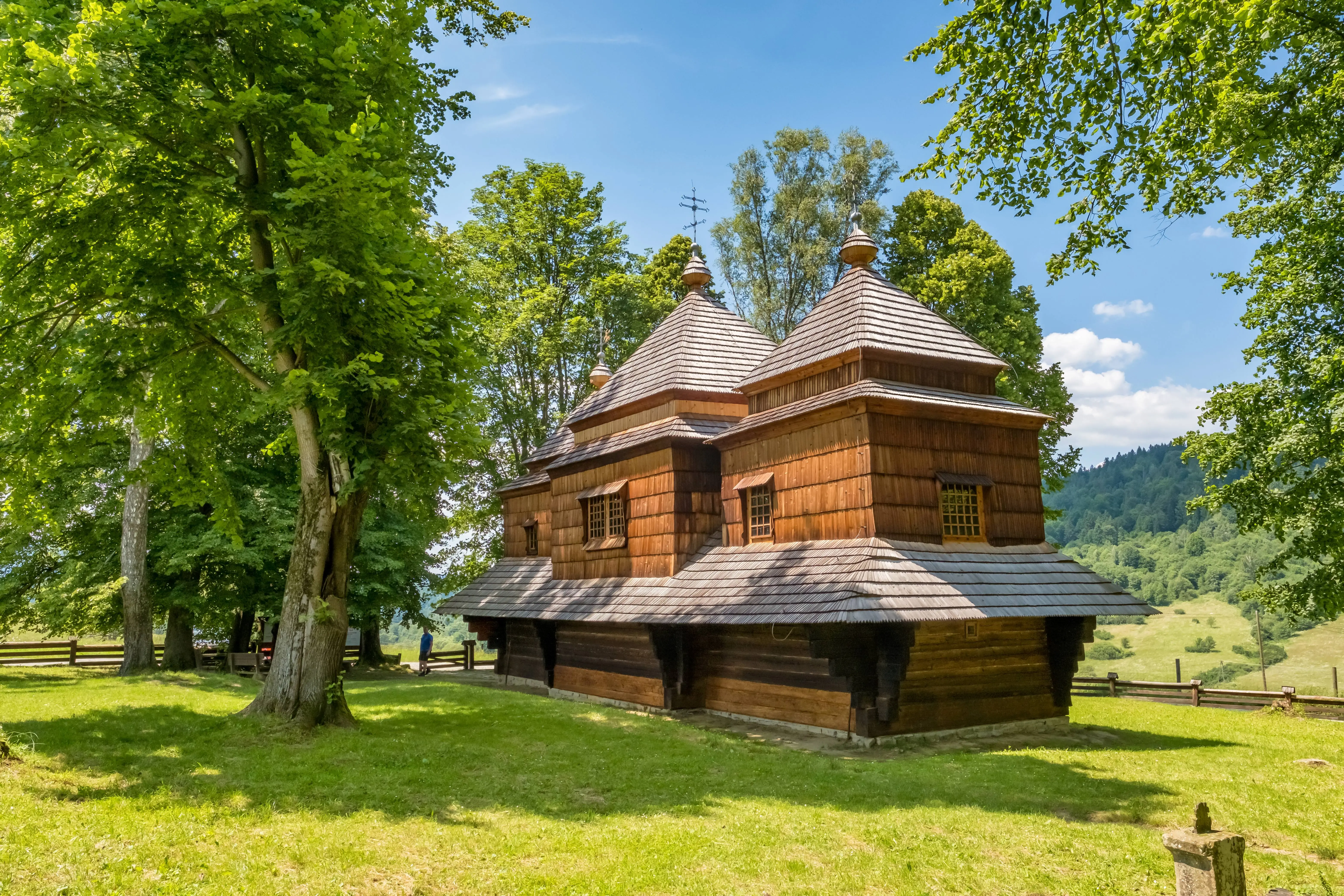
Wooden religious buildings preserve important aspects of the Carpathian region’s cultural and spiritual history. Selected sites, including Smolnik and Turzańsk, belong to the UNESCO serial property of wooden tserkvas in Poland and Ukraine. That designation applies to specific buildings, not every wooden church in the region.
A visit should explain religious traditions, architecture and the communities connected with the building. Current use and access vary. Some sites are active places of worship, while others have different custodianship arrangements. Respectful interpretation is more valuable than presenting them simply as picturesque structures in a quiet landscape.
Sanok and the Historical Museum
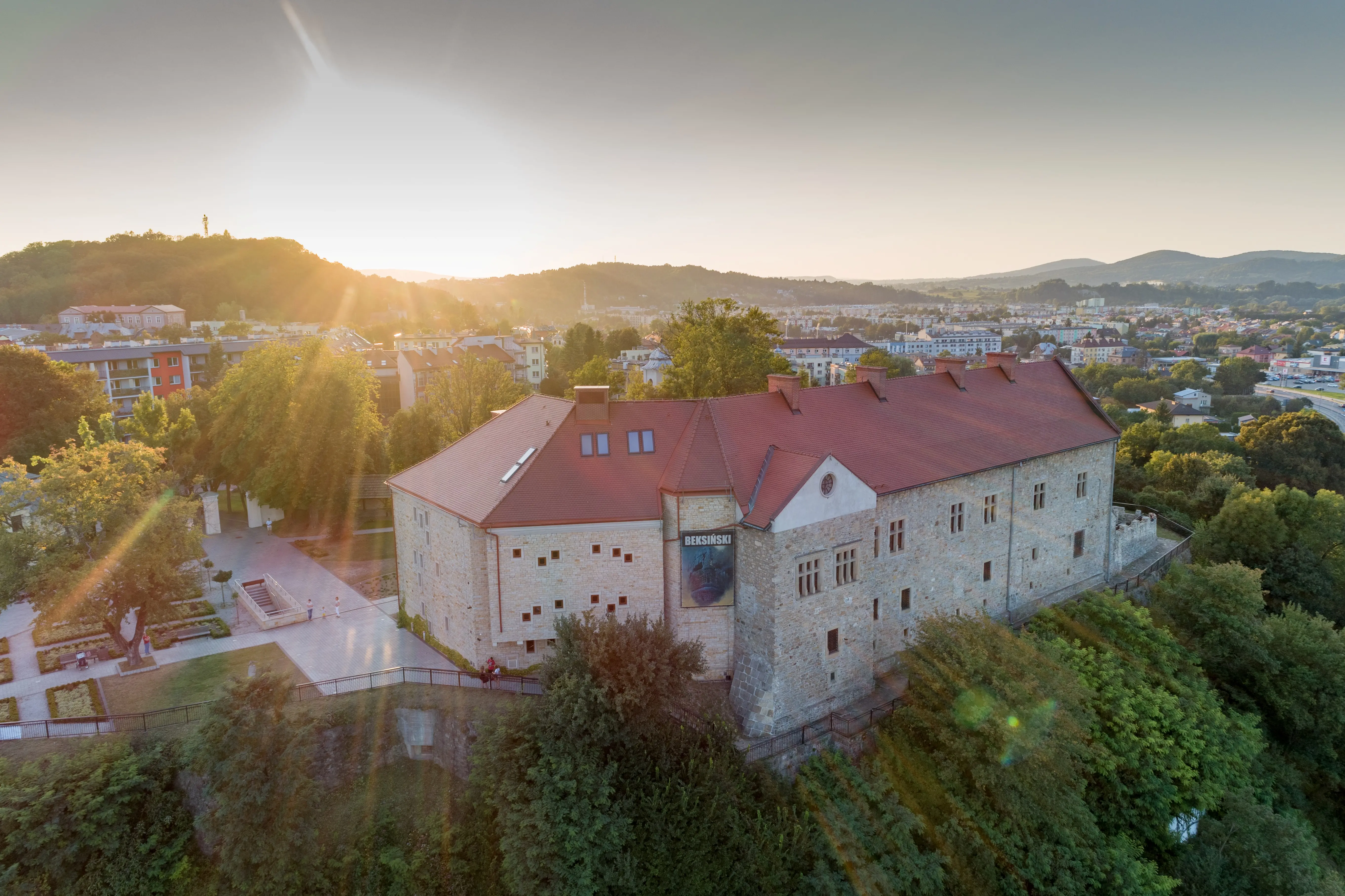
Sanok is an important cultural gateway to the wider region, rather than a village inside the national park. The Historical Museum in the castle is known for collections that include icons and the work of Zdzisław Beksiński, offering very different artistic encounters in one city.
Choose the visit around the interests of the group and the emotional character of the material. The collections can introduce regional religious art or a major modern artist, but they should not be treated as interchangeable. Sanok deserves its own time and can work well at the beginning or end of a longer regional journey.
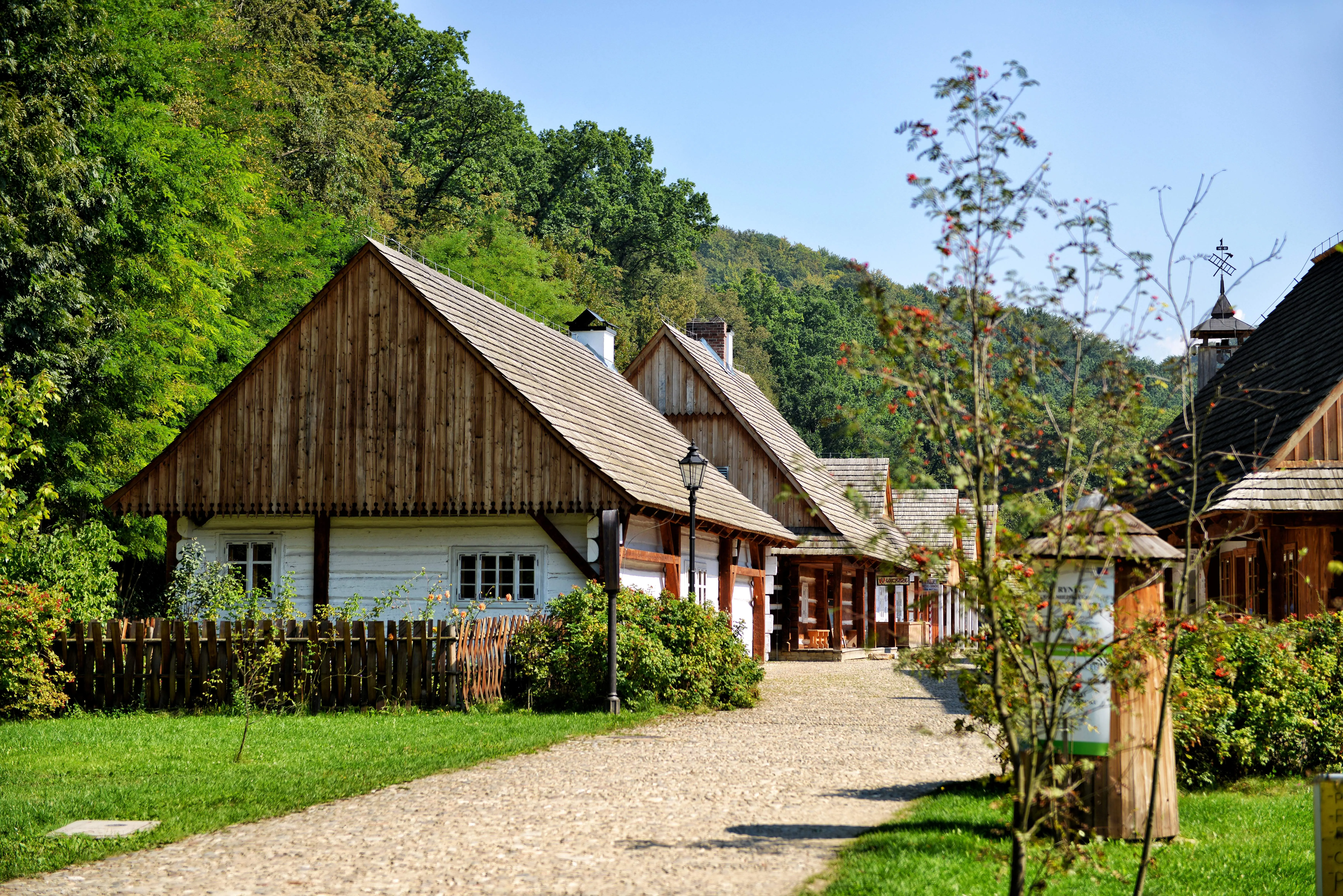
The Museum of Folk Architecture in Sanok
The open-air museum presents buildings and traditions associated with the region’s varied communities. Its setting helps explain domestic life, religious architecture and work through a broader cultural landscape rather than a few isolated objects.
The grounds are substantial, so allow enough time and consider walking ability and weather. The museum can provide useful context before visiting villages and wooden churches elsewhere. It is not a substitute for living communities, but a place to develop a more informed understanding of their historical environments.
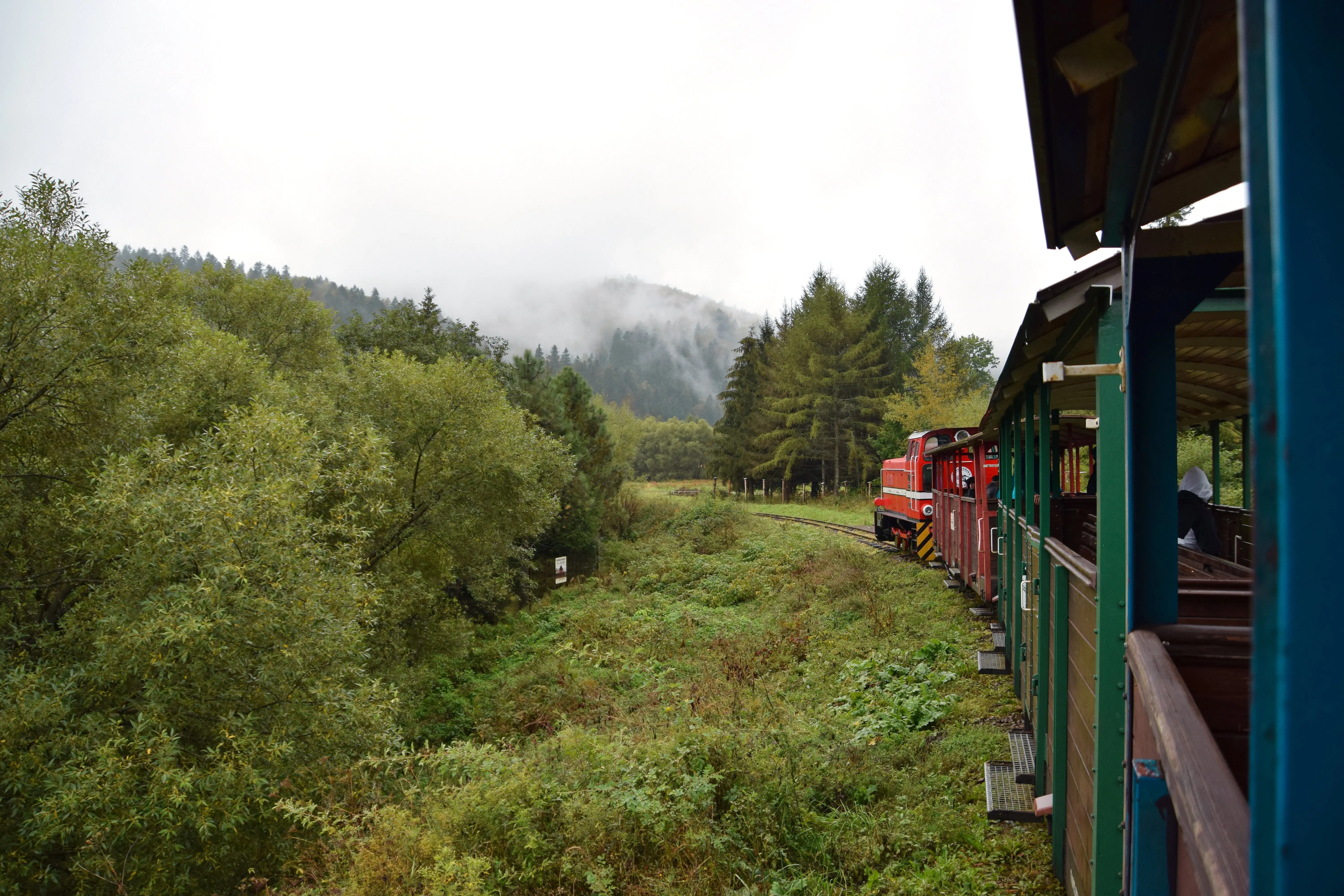
The Bieszczady Forest Railway
The preserved forest railway introduces the region’s industrial and transport history in a form that can appeal to different ages. Its origins in forestry help explain another way people used and moved through the landscape.
Tourist services operate on a specific calendar and route, so a ride must be confirmed rather than assumed. A visit to the railway setting can be connected with the history of work and settlement, not only treated as entertainment. It fits most naturally within a western Bieszczady stay, avoiding unnecessary cross-region travel for a short excursion.
Former villages and traces in the landscape
Orchards, cemetery remains, foundations and roadside religious markers can reveal earlier settlement patterns. These traces are especially meaningful when interpreted by someone with local historical knowledge. Without context, they may be overlooked or misunderstood.
Visits should follow permitted access and respect places of remembrance. The story involves real communities and displacement, not a romantic tale of mysterious vanished villages. A carefully selected cultural walk can deepen a nature-focused journey, showing how the region’s current appearance reflects both ecological processes and human events.
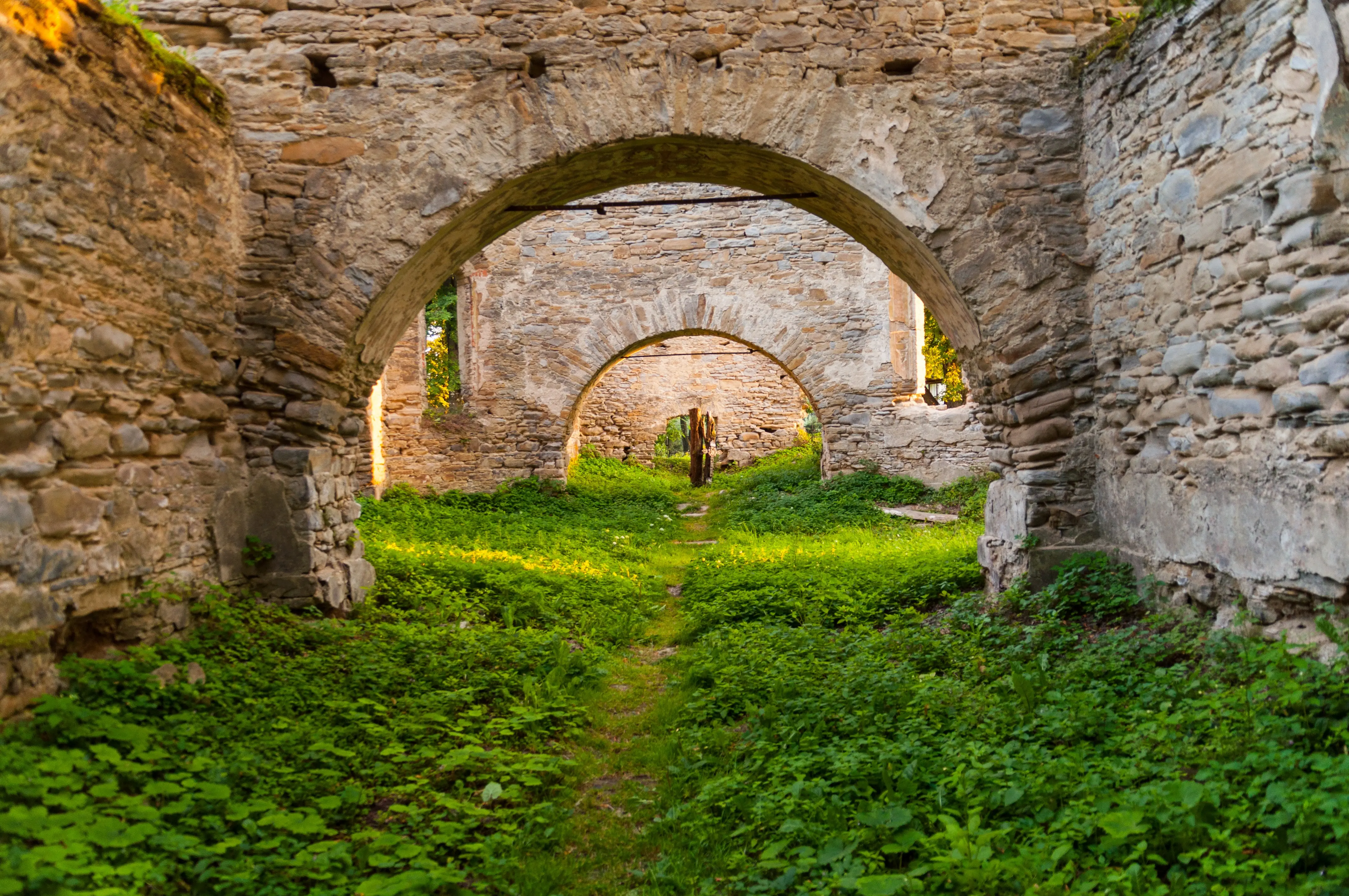
A different kind of outdoor stay
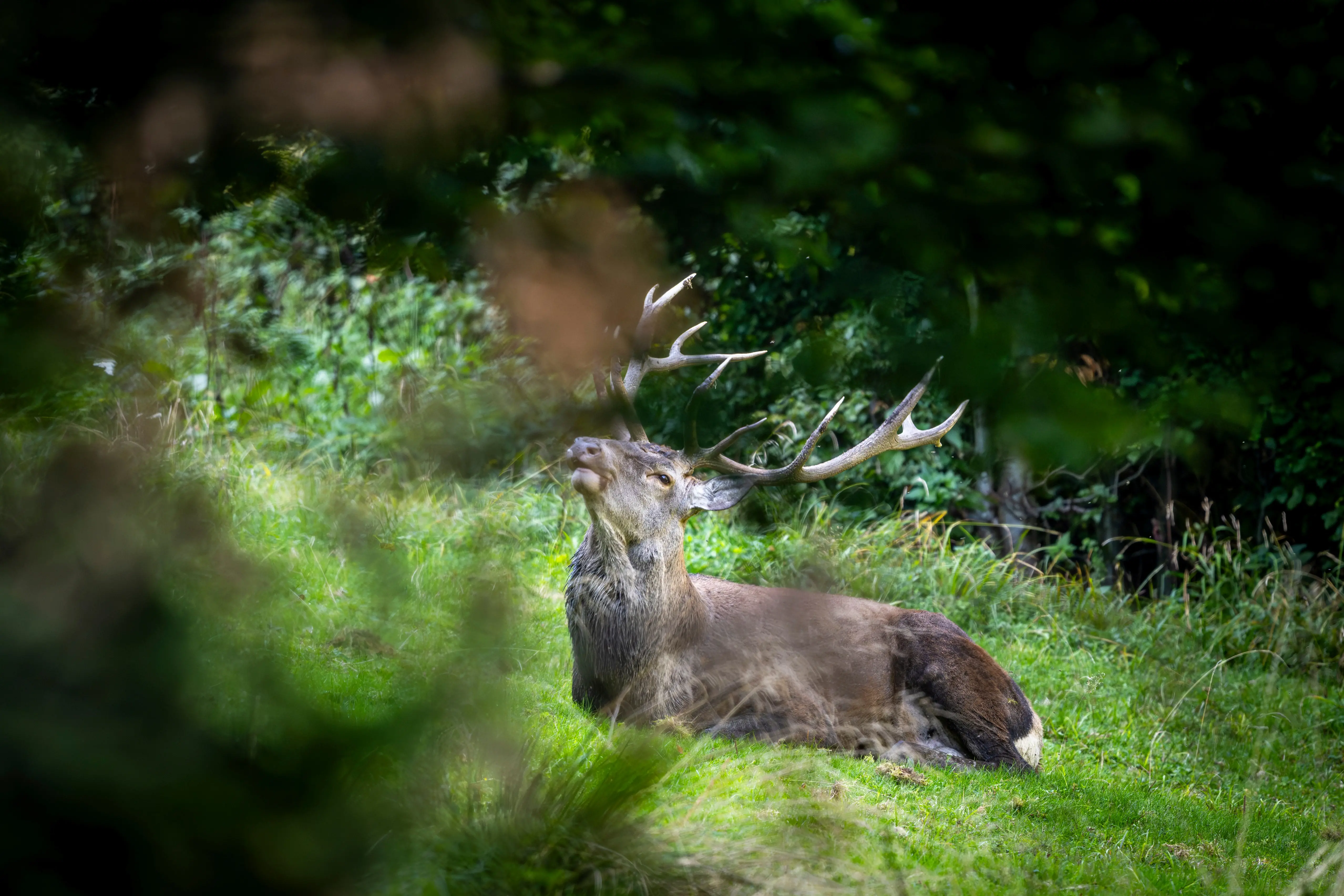
Nature without a summit objective
A program can focus on forest interpretation, suitable valley walks and educational sites. This allows travelers with different abilities to share a meaningful experience without making a demanding mountain route the measure of success.
Local knowledge helps choose the right places and timing. Wildlife is unpredictable and should never be approached or promised as part of the itinerary. The value lies in understanding habitats and observing responsibly, not in collecting sightings at any cost.
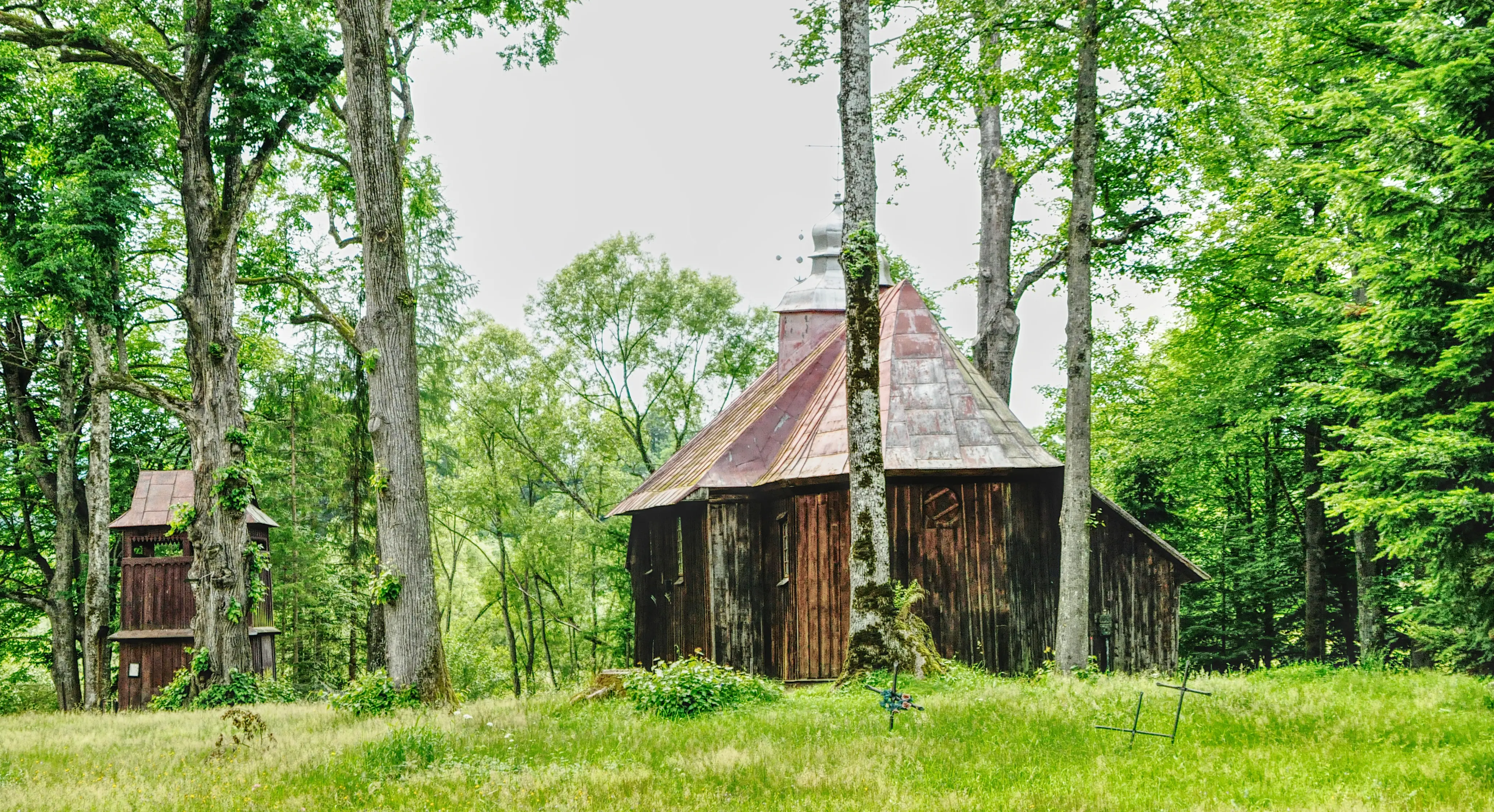
Culture and landscape together
Combine a selected wooden church, a museum or historical introduction and time in the countryside. This creates a fuller regional picture than a stay consisting only of outdoor activity.
The sequence matters. A museum in Sanok can provide context before visits farther into the region, while a quieter day near the accommodation can balance longer transfers. Not every cultural site needs to be included; choose the ones that make the journey coherent.
Plan by base, season and available days
Make this part of your Poland journey
VisitPoland by Polish Travel Quo Vadis
Tell us which places and experiences interest you, when you would like to travel and the pace you prefer. We will use those ideas to discuss a tailor-made proposal.