Gdańsk& the Tri-City
Gdańsk brings together the Baltic, merchant wealth and events that changed modern Europe. Along the Motława, rebuilt facades recall a maritime trading city; in the shipyard area, the story turns to workers, solidarity and political change. Sopot adds a resort rhythm and Gdynia a different architectural vision of a port. Together, the three cities offer much more than a beach break with a brief historic walk.Suggested stay
Region
Trip style
Explore this page
Have any other questions?
Need more information before planning your visit to Gdansk? Get in touch with us to discuss your ideas, ask a question or explore options for your trip.
A Baltic city at the meeting point of histories
Gdańsk’s history is inseparable from water. The city’s position linked the Polish hinterland with Baltic and wider European trade, creating wealth expressed in merchants’ houses, civic buildings and religious architecture. Its history includes Polish, German and other European cultural connections, changing political arrangements and periods of strong local identity. A thoughtful introduction acknowledges that complexity instead of assigning the city one simple national story across every century.
Much of the most photographed center was reconstructed after the destruction of the Second World War. The Main Town, including Długa Street and Długi Targ, is often casually called the Old Town in visitor descriptions, but these are historically distinct areas. Understanding the distinction makes the city’s geography easier to read.
The twentieth century gives Gdańsk an international significance beyond its architecture. Westerplatte is associated with the opening days of the war in 1939. The shipyards and the Solidarity movement belong to a different chapter, central to the transformation of communist Poland. These subjects deserve separate attention, not a single paragraph labeled “history.”
The Tri-City is also three cities, not three interchangeable districts. Sopot developed as a seaside resort; Gdynia’s modern port and interwar architecture express the ambitions of an independent Poland returning to the Baltic. Moving between them creates a journey through different ways of living by the sea.
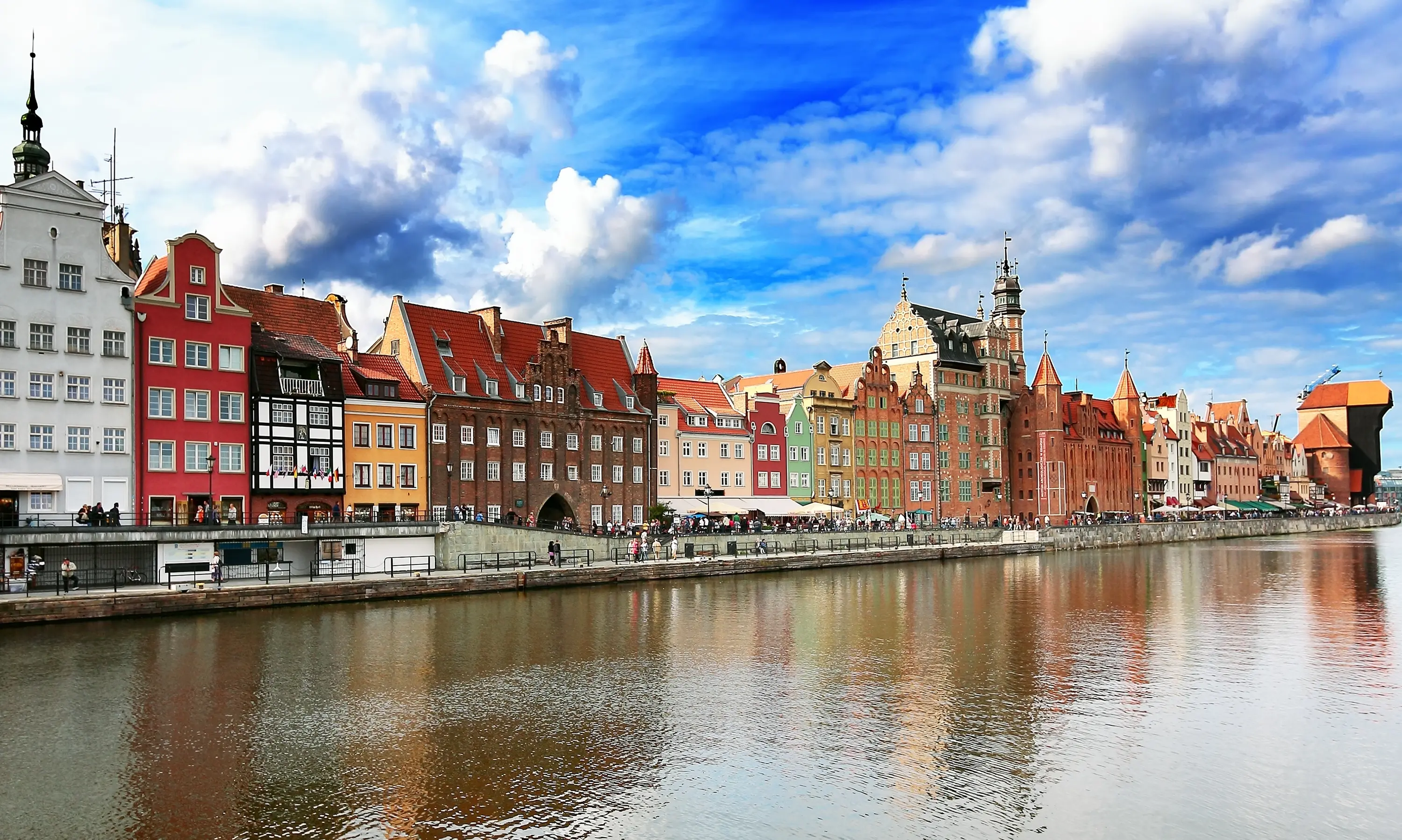
Gdańsk’s historic waterfront and civic heart
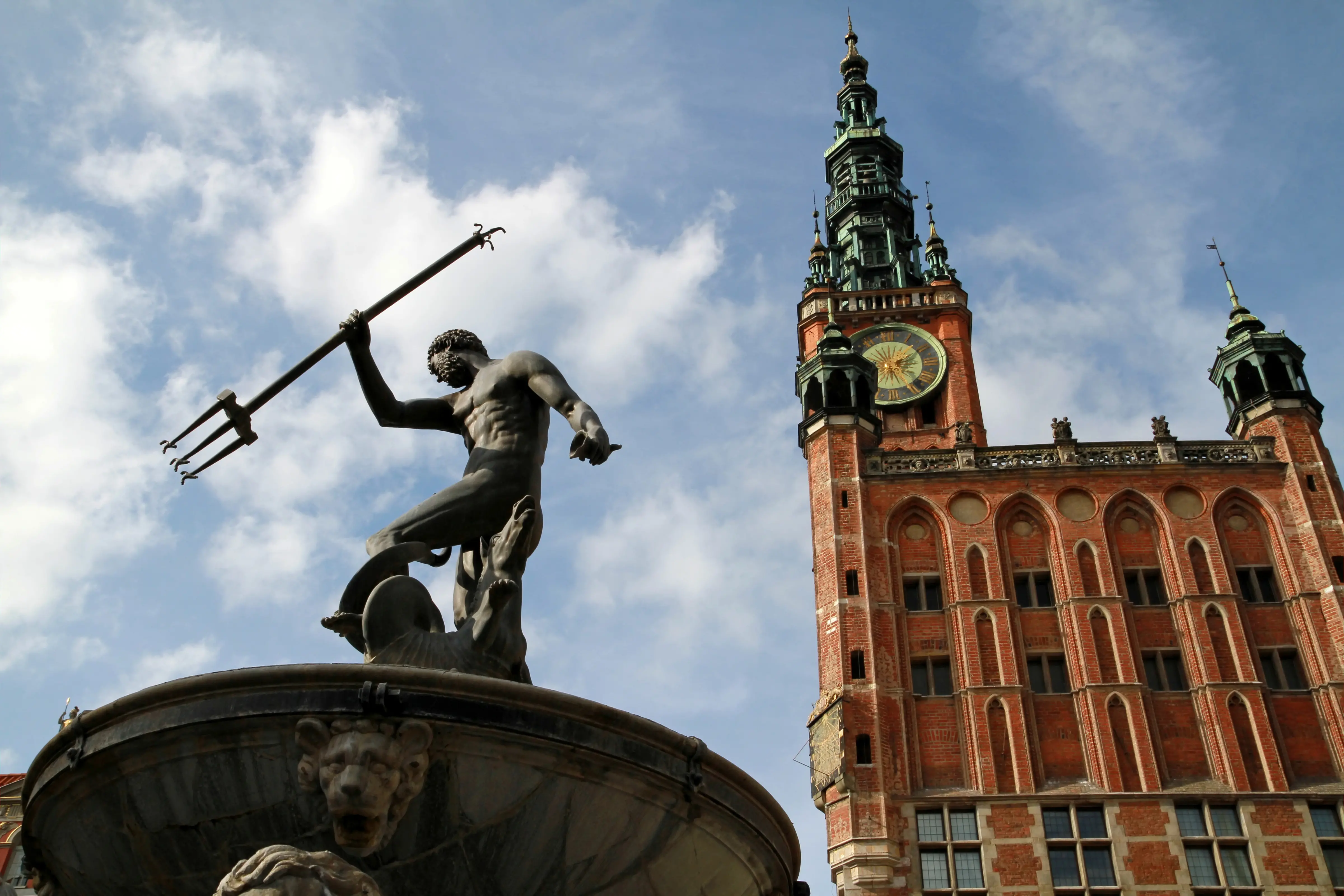
Długa Street and Długi Targ
The route through Długa Street to Długi Targ forms the ceremonial heart of the Main Town. Gates, richly decorated facades and the Neptune Fountain reveal the importance of civic display in a prosperous trading city. The architecture is worth reading slowly rather than treating every building as a backdrop for the fountain.
A guided walk can explain the difference between surviving fabric and reconstruction, and how the city chose to represent its past after the war. Return in the evening for a different atmosphere, but make the first visit a chance to understand the setting. Several important museums and interiors are close enough to combine without spending the day in transit.
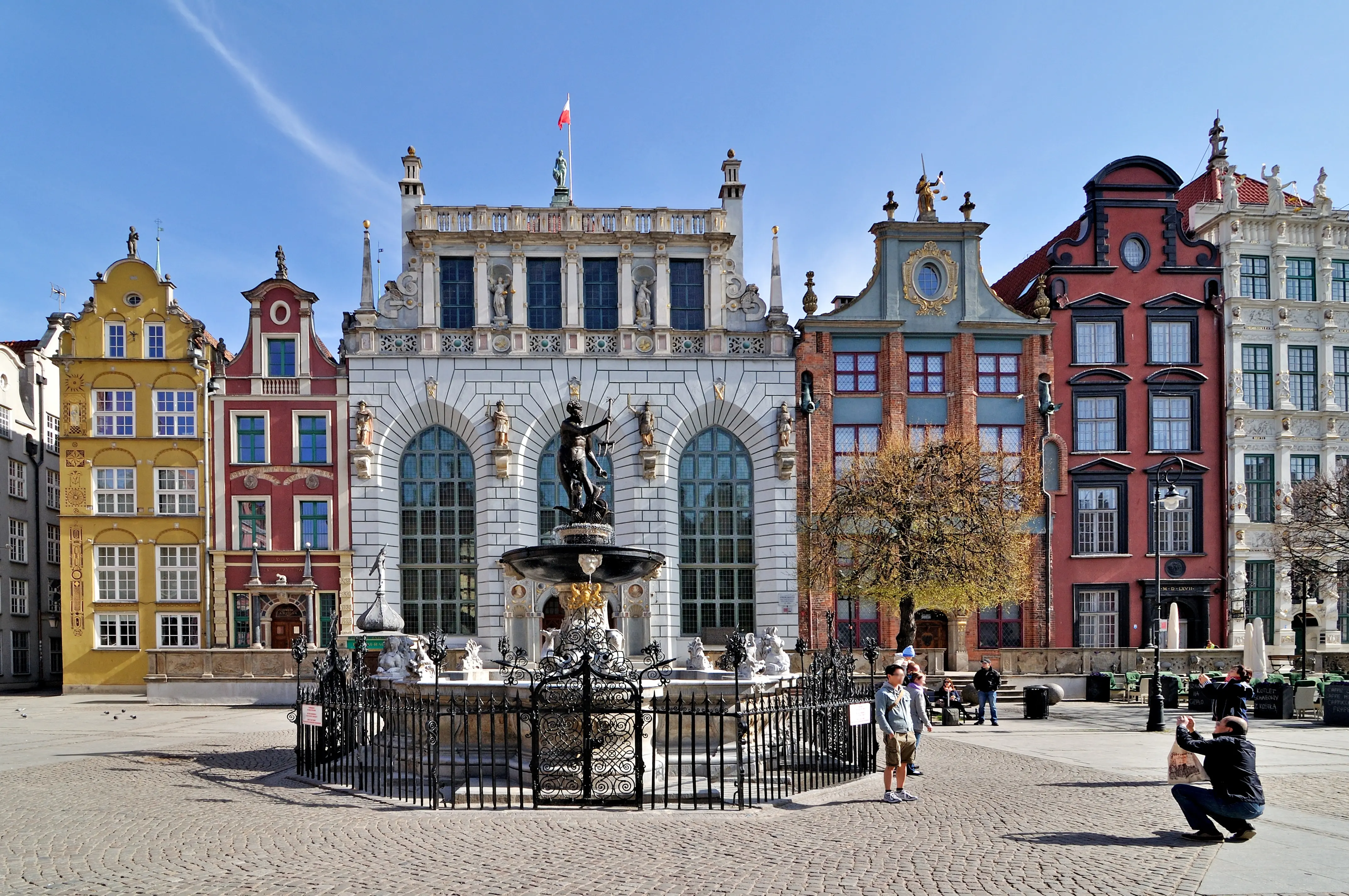
Artus Court and the Main Town Hall
Artus Court recalls the social world of merchants and urban elites, while the Main Town Hall expresses the authority of the city’s government. Together, they reveal how civic identity was presented through interiors, ceremonial space and art.
These are worthwhile additions for visitors who want to see beyond the facades. They should not be confused with a royal residence: their importance lies in the institutions and social structures of the city. Choose the interiors around current opening arrangements and the group’s interests. A focused visit offers more context than attempting every branch of the city museum on one day.
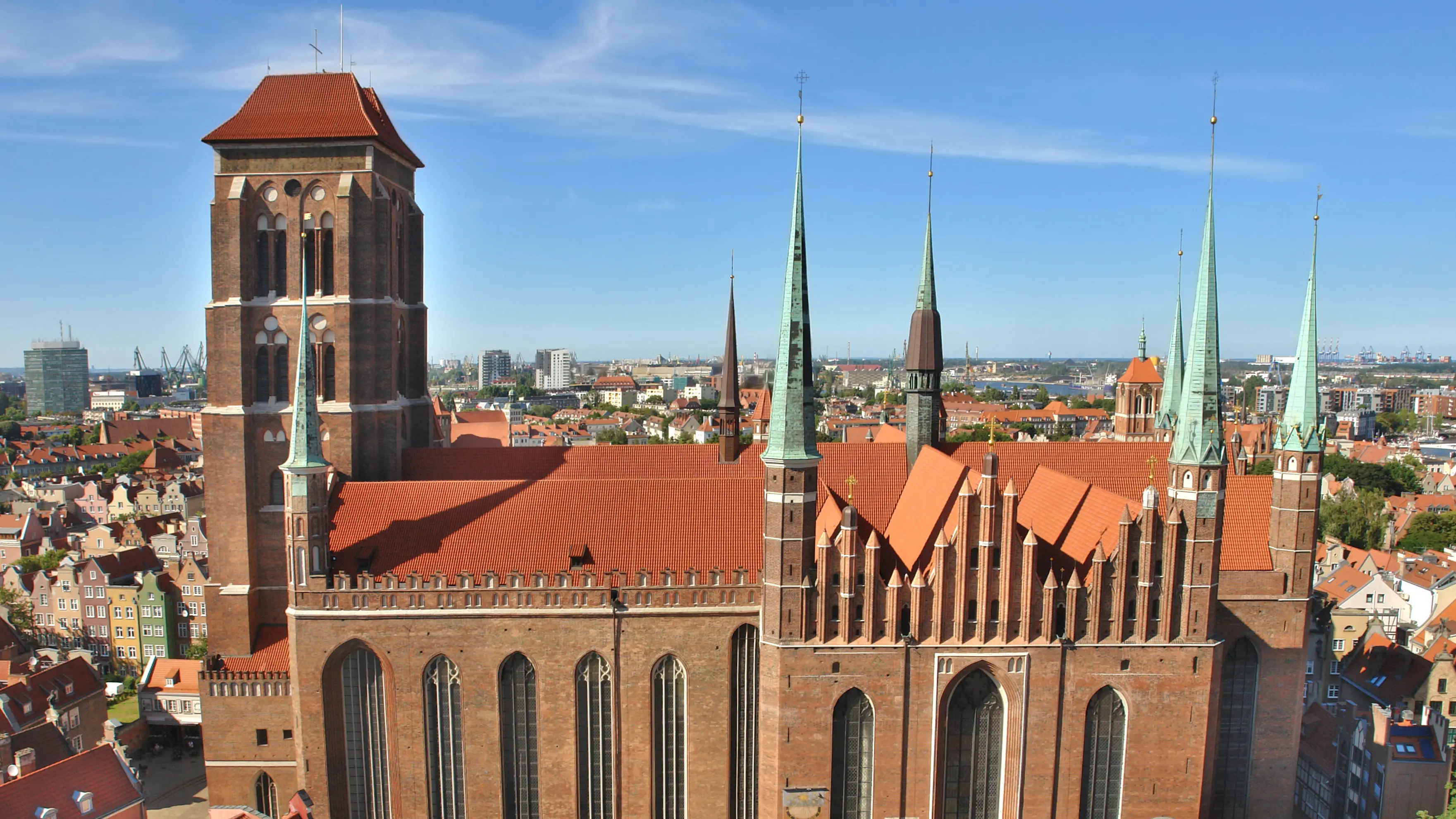
St. Mary’s Church
St. Mary’s great brick structure gives an immediate sense of the scale of medieval Gdańsk. Its interior, works of art and astronomical clock invite a slower encounter with the religious life and craftsmanship of the city. The building’s wartime damage and restoration are also part of its story.
As an active church, it follows worship as well as visitor schedules. Any tower visit is a separate physical undertaking and is not suitable for every traveler. The surrounding streets can be explored independently of climbing. Combine the church with Mariacka Street to move between monumental architecture and a more intimate urban setting.
Mariacka Street
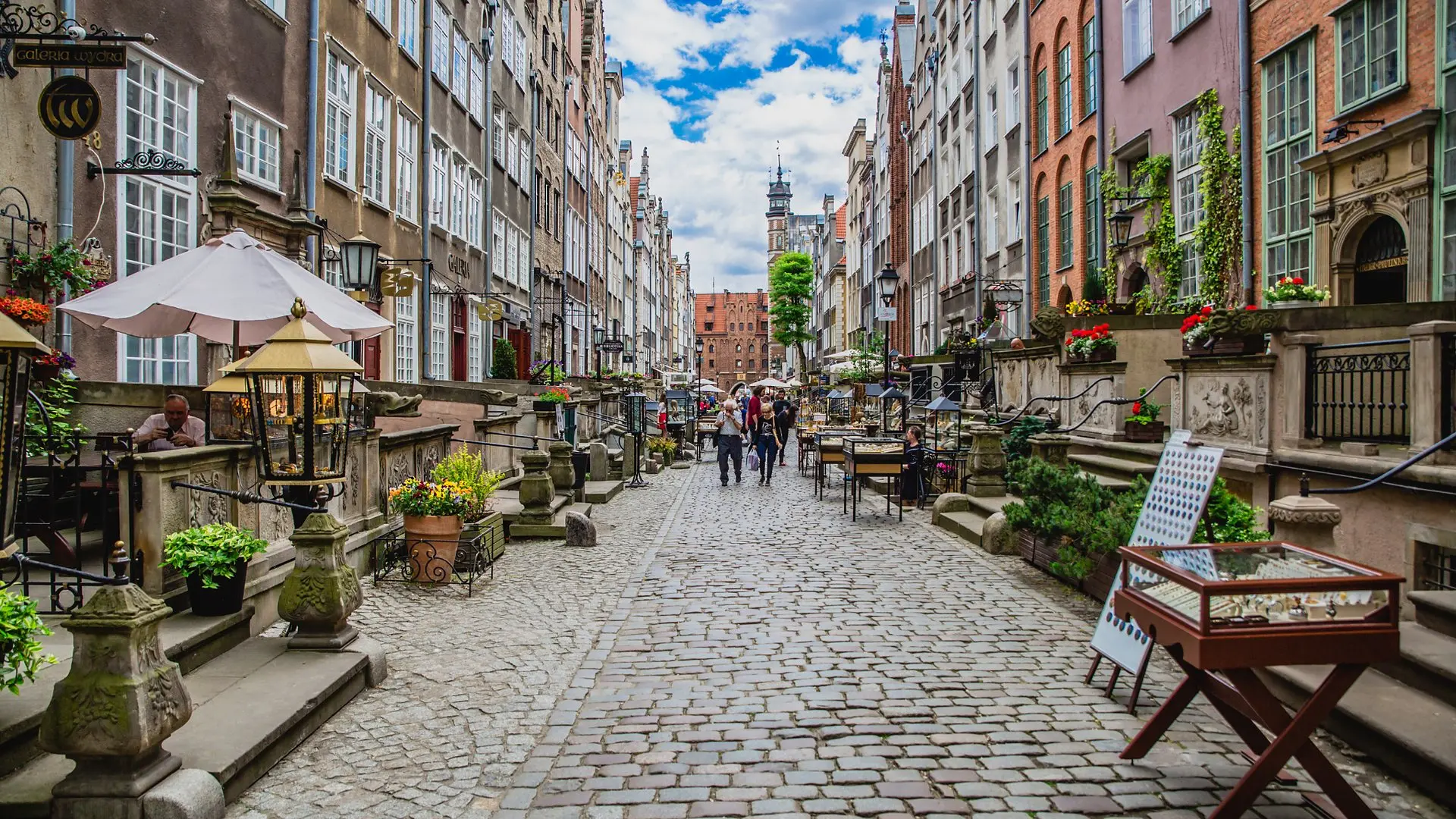
Mariacka Street is memorable for its raised terraces, stone details and perspective toward St. Mary’s. Amber galleries are part of its present identity, but the street is also a compact lesson in the architectural character associated with Gdańsk.
It rewards attention to doorways, railings and the changing view along its length. The best visit does not need to be a shopping stop. For travelers interested in amber, combine the street with the Amber Museum, which provides geological, cultural and artistic context. Claims about individual pieces and their origin belong to the seller’s documentation, not to a general city guide.
The Motława and the historic Crane
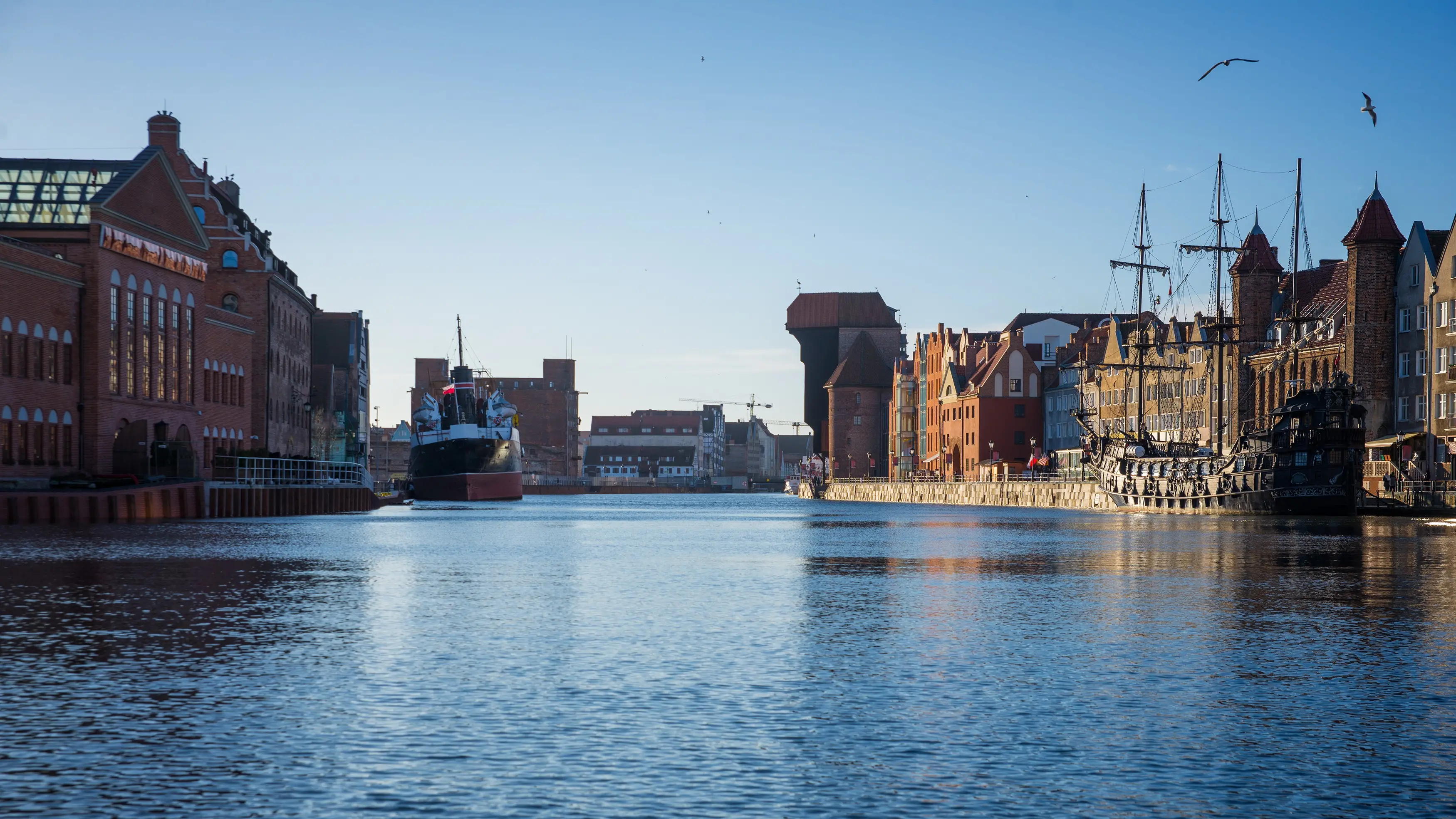
The waterfront explains why the city looks the way it does. The historic Crane, quays and Granary Island connect architecture with loading, storage and maritime trade. Contemporary redevelopment adds another visible layer to the old port landscape.
The Crane is part of the National Maritime Museum, so an interior visit can turn a familiar skyline feature into an explanation of how a working port functioned. A walk along both sides of the water gives a better sense of scale than one fixed viewpoint. Boat services are seasonal and date-dependent; the waterfront itself remains the central experience.
Oliwa Cathedral and park
Oliwa offers a calmer setting away from the Main Town. The cathedral and former monastic landscape introduce religious history, while the park adds a landscaped outdoor visit that can balance a museum-heavy stay. The cathedral’s organ is a major point of interest, but a recital is not automatically available whenever a visitor arrives.
Treat Oliwa as a deliberate part of the route, particularly when connecting Gdańsk with Sopot. Time the interior visit around services and any confirmed musical program. The park and surrounding area also make a satisfying visit without a performance, especially for travelers interested in gardens and a less concentrated sightseeing environment.
Museums and the stories behind the city
European Solidarity Centre
The European Solidarity Centre examines the Solidarity movement and the struggle for political change. Its permanent exhibition provides a framework for understanding the shipyard landscape outside, where industrial work, collective action and public memory intersect.
This is not simply a museum of one famous leader. The wider social movement and its international consequences are central to the visit. Leave time for the exhibition and the surrounding area rather than planning only a photograph at the gate. The subject pairs well with a broader itinerary exploring modern Polish history, including Warsaw, while retaining its distinctive Gdańsk setting.
Museum of the Second World War
The Museum of the Second World War places the conflict in a broad historical and civilian context. Its scale and narrative make it a substantial visit, not a brief rainy-day alternative. It can deepen an understanding of Poland and Europe beyond the events connected with Gdańsk itself.
Plan it as the principal indoor experience of the day. Families and groups should consider the emotional intensity of the subject and leave time for reflection. Westerplatte is a separate site with its own geography and visitor arrangements. Combining both is possible in an appropriately paced program, but neither should be reduced to a rapid stop.
National Maritime Museum
The National Maritime Museum has several sites and perspectives on the relationship between people and the sea. Exhibitions, historic port structures and vessels are not one interchangeable attraction, so the chosen branch should match the theme of the visit.
For a first stay in Gdańsk, the waterfront museums can help explain shipping, trade and the technology behind the city’s prosperity. Families, maritime enthusiasts and architecture-focused visitors may choose different routes. Check the relevant branch and admission arrangement before finalizing a day. A museum visit followed by the waterfront often gives a more complete picture than a long walk alone.
Amber Museum
Amber is both a natural material and a cultural object associated with the Baltic. The Amber Museum introduces its formation, uses and artistic treatment, offering more context than a sequence of shop windows. The museum’s setting in the Great Mill also connects the visit with Gdańsk’s historic urban infrastructure.
This is a useful choice for travelers interested in decorative arts, natural history or regional craft. Combine it with a walk through the surrounding area and, later, Mariacka Street. A workshop or specialist demonstration can be explored separately, but should be arranged and confirmed rather than described as an automatic part of general admission.
Three cities, three different rhythms
Sopot
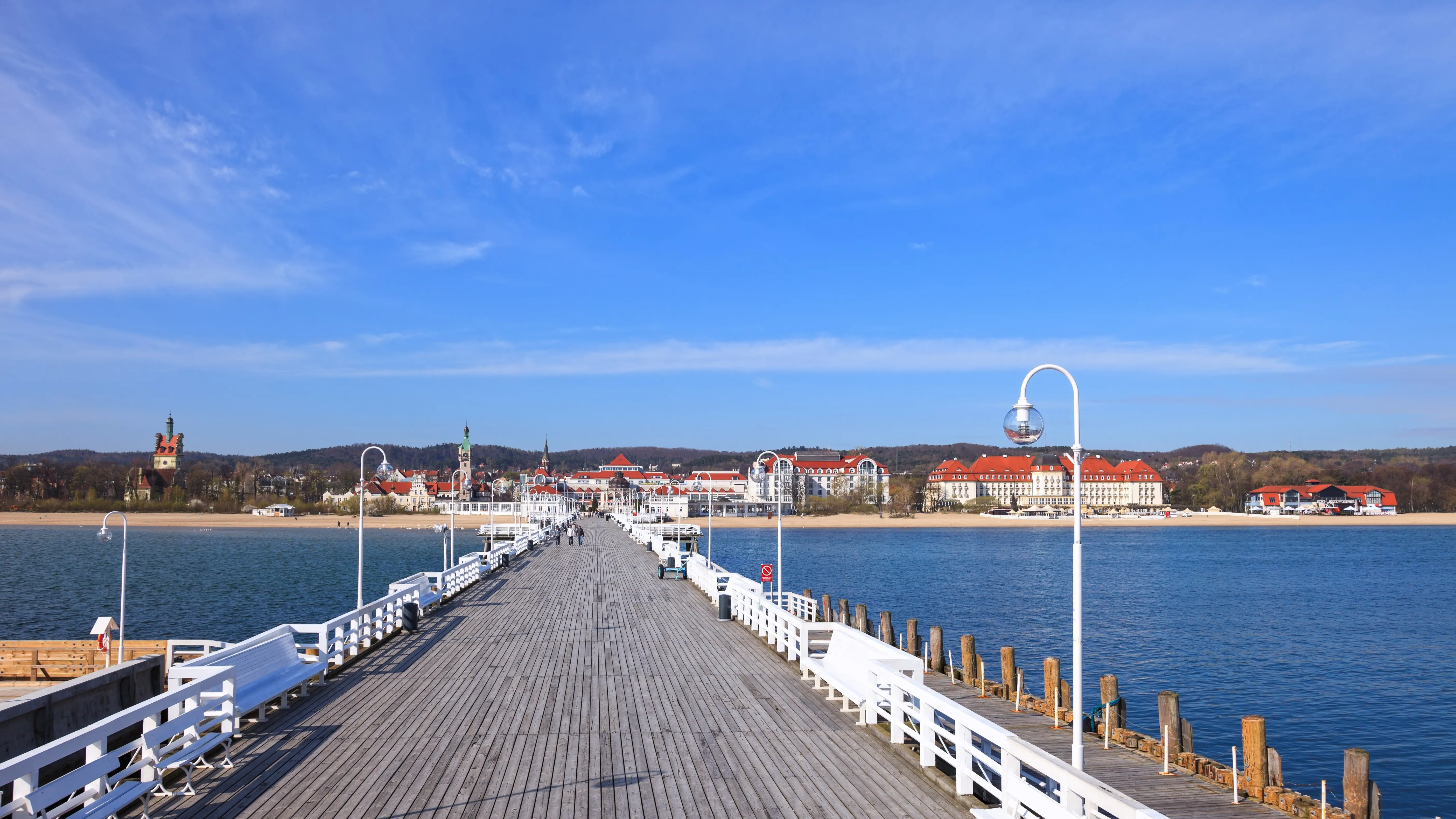
Sopot’s identity is shaped by the sea, resort architecture and the relationship between beach, promenade and town. The pier is a recognizable landmark, but the most enjoyable stay often includes smaller streets and a slower rhythm rather than only the busiest central promenade.
Combine Sopot with a relaxed coastal afternoon, a meal and time outdoors. Beach conditions, pier access and seasonal activity vary. It is a different experience from the maritime history of Gdańsk and should be allowed to remain so. A resort-based stay may suit some travelers, while others prefer Gdańsk as a base and visit Sopot for a day.
Gdynia
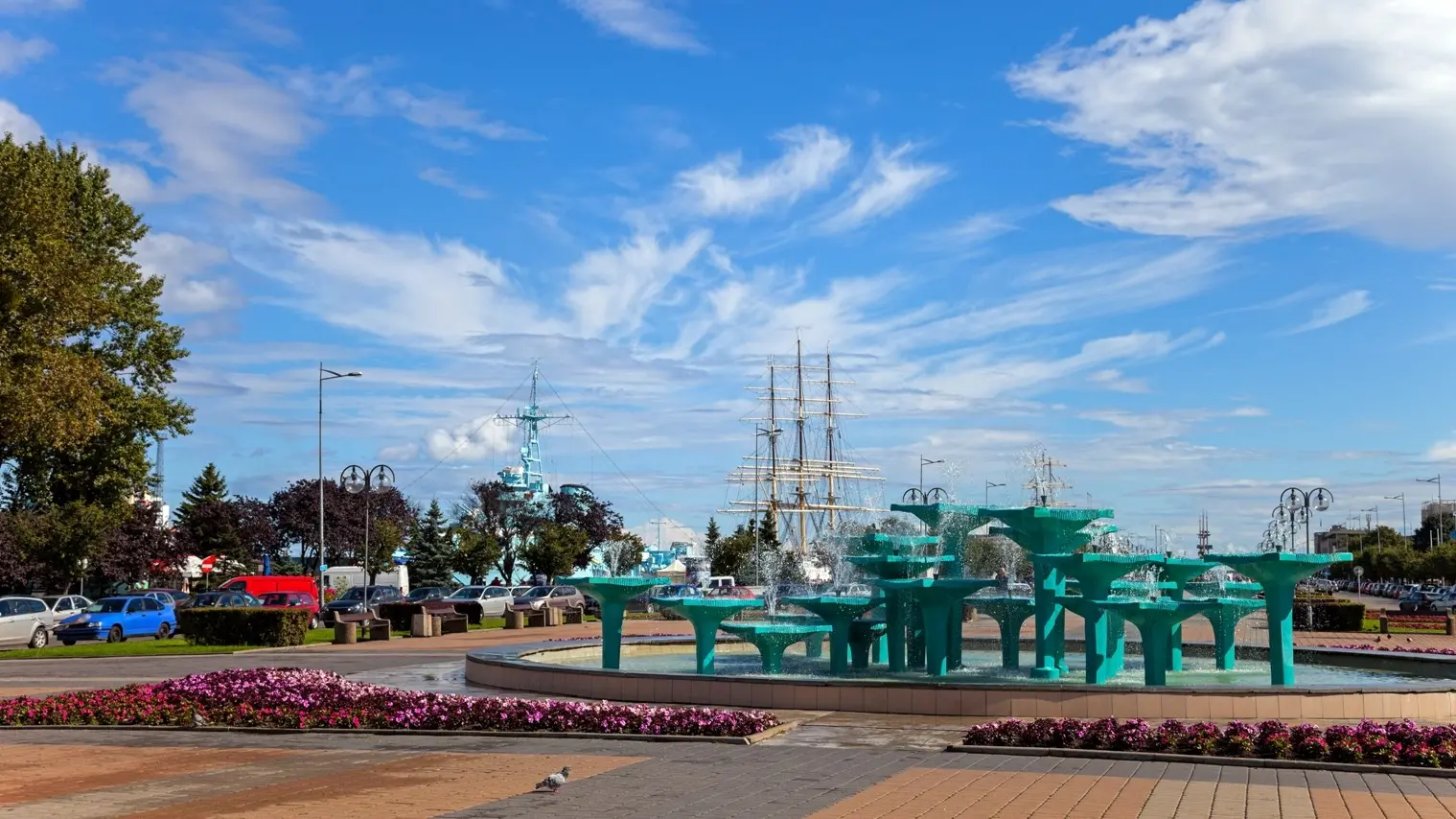
Gdynia introduces the modern port and interwar architectural ambitions of Poland. Its urban form differs from reconstructed Gdańsk, making it especially interesting for travelers who enjoy architecture, design and the relationship between infrastructure and national identity.
The waterfront and museums can form a focused visit, with the Emigration Museum offering a particularly relevant perspective for travelers interested in migration and transatlantic family stories. Do not assume that every visitor from North America has that interest; make it a chosen theme. The best Gdynia day has its own purpose rather than serving as a brief third stop on a rushed Tri-City circuit.
Wrzeszcz and the changing city
Wrzeszcz shows another Gdańsk beyond the principal visitor streets, with residential architecture, local businesses and different layers of urban development. It works well for repeat visitors or a longer stay that leaves room to explore a lived-in district.
The city’s former industrial areas and waterfront redevelopment also invite a contemporary architectural perspective. Choose a few coherent stops rather than presenting every new development as a cultural attraction. A local meal and a neighborhood walk can be a useful counterpoint to the formal narratives of the major museums.
Sobieszewo Island and coastal landscapes
Sobieszewo introduces the natural side of the Gdańsk area, with coastal landscapes and birdlife providing a contrast to the city center. It is not simply another urban beach reached without planning. Transport, protected areas and the desired type of walk matter when choosing the day.
Nature visits should follow the current rules of the relevant reserves and avoid disturbing wildlife. Observation is never a promise of seeing a particular species. For a balanced stay, choose one coastal nature area and give it time rather than combining it with every Tri-City landmark.
Build a stay around your interests
Make this part of your Poland journey
VisitPoland by Polish Travel Quo Vadis
Tell us which places and experiences interest you, when you would like to travel and the pace you prefer. We will use those ideas to discuss a tailor-made proposal.