Zakopane& the Tatra Mountains
Zakopane is more interesting when the mountains and the town are given equal attention.
The Tatras provide valleys, forests and dramatic high-country scenery; the town reveals wooden architecture, highlander traditions and the artists who helped shape its identity. A rewarding stay can combine a carefully chosen nature day with museums, music and regional food. It does not need to be a race to a summit.Suggested stay
Region
Trip style
Explore this page
Have any other questions?
Need more information before planning your visit to Zakopane? Get in touch with us to discuss your ideas, ask a question or explore options for your trip.
A mountain landscape and a cultural meeting place
Zakopane developed from a settlement at the foot of the Tatras into a resort, artistic meeting place and gateway to protected mountain landscapes. The growth of tourism brought writers, musicians, painters and people seeking the perceived benefits of the mountain climate. Their presence influenced how the region was represented to the rest of Poland.
Local highlander culture was not simply an invention for visitors. Building traditions, clothing, music, pastoral practices and craft existed within a working regional society. At the same time, artists interpreted those traditions in new ways. Stanisław Witkiewicz’s Zakopane Style drew on local wooden architecture while giving it a deliberate artistic and national-cultural program. It should not be confused with the work of his son, the artist and writer known as Witkacy.
The mountains have their own story, shaped by geology, ecosystems and past human uses. Areas that look completely untouched may have histories of grazing, forestry or industry. Tatra National Park protects this landscape and sets the conditions under which visitors can experience it.
A balanced itinerary avoids reducing Zakopane to Krupówki shopping or treating the Tatras as a backdrop available in any weather. The town, regional culture and protected nature are three connected reasons to stay, each with a different pace.
Architecture, traditions and places in town
Kościeliska Street and Koliba Villa
Kościeliska Street introduces older wooden buildings and a more intimate scale than the busiest commercial promenade. Koliba Villa, designed by Stanisław Witkiewicz, is central to understanding the Zakopane Style. Its architecture transforms local building traditions into a carefully considered artistic language.
A visit is most useful when the exterior details are connected with the interior and the museum’s interpretation. Look at roofs, timber construction and decorative elements rather than simply calling every wooden house “traditional.” The street and museum create a coherent cultural walk that can be enjoyed independently of mountain weather.
Jaszczurówka Chapel
The Chapel of the Sacred Heart at Jaszczurówka is one of the most recognizable expressions of the Zakopane Style. Its wooden structure and woodland setting show how architecture can respond to both local craft and landscape. It is a small building, but one with considerable cultural significance.
This is an active religious place rather than a decorative attraction. Time the visit around services and respect the setting. Combine it with a broader architecture itinerary rather than making a special cross-town journey for a few hurried minutes. Photographs are strongest when they show the relationship between the chapel, trees and timber details.
The old church and Pęksowy Brzyzek
The old wooden church and the Pęksowy Brzyzek cemetery connect Zakopane’s religious life with artists, public figures and people important to the region. The craftsmanship of memorials makes the site visually distinctive, but it remains a cemetery and place of remembrance.
A guide can explain selected biographies and their relationship with the town. Avoid treating it as a collection of unusual decorative objects. The visit works naturally with Kościeliska Street and Koliba, creating a meaningful cultural sequence without long transfers or a demanding outdoor route.
Krupówki and the town center
Krupówki is the most familiar face of visitor-oriented Zakopane, with shops, restaurants and a constant movement of people. It is part of the experience, but not a complete representation of the town or the wider Podhale region.
Use it as an orientation point and a place to pause rather than the sole purpose of the visit. Museums and quieter streets reveal a different scale nearby. Regional food is worth exploring through a considered meal or an arranged encounter with local producers, not through assumptions that every souvenir or product sold on the promenade has a local origin.
Kuźnice
Kuźnice is often seen only as the departure point for the Kasprowy Wierch cable car. Its history of industry, estates and later conservation gives it a broader significance. Buildings and interpretation in the area can help explain how people used the mountain landscape before contemporary tourism became dominant.
A cultural visit to Kuźnice can be combined with the national park’s educational facilities or a suitable outdoor program. Cable-car operation and mountain conditions are separate questions. The area remains worth understanding without assuming that a high-altitude trip will form part of every stay.
Museums, music and art
Tatra Museum
The Tatra Museum introduces the natural and cultural history of the region through collections and several branches. It provides context for the landscape outside, from local ways of life to the artistic responses the mountains inspired.
Choose the branch according to the theme of the day. A general introduction helps first-time visitors, while architecture, art or a particular creative figure can anchor a specialist program. The museum is not merely a bad-weather substitute: it can make the following day outdoors more meaningful by explaining the region before visitors encounter it.
Karol Szymanowski Museum at Atma
Atma connects Zakopane with the composer Karol Szymanowski. The wooden house and its musical associations reveal a quieter cultural history than the busy resort streets. For music travelers, it complements the Chopin story found in Warsaw without pretending that the two composers belonged to the same place or period.
A visit can be combined with selected music, a discussion of regional influences and other artistic addresses in town. Any live performance is a separate, date-dependent arrangement. The house’s scale makes it particularly suitable for a thoughtful small-group visit rather than a rushed arrival by several large groups at once.
Władysław Hasior Gallery
Władysław Hasior’s work offers a strikingly different encounter with art from the expected image of mountain landscapes and carved wooden objects. His use of materials and assemblage makes the gallery a distinctive addition to a Zakopane stay.
It suits travelers curious about modern Polish art and the ways an artist can work beyond conventional categories. Pair it with another cultural stop or a relaxed town afternoon. The visit broadens the region’s creative story and demonstrates that Zakopane’s artistic life did not end with the early development of the resort.
National park education centers
The educational facilities of Tatra National Park introduce the ecosystems and processes behind the scenery. They help explain why some areas are protected, how wildlife uses the landscape and why visitor behavior matters.
For families or travelers who prefer gentler outdoor experiences, this can be a substantial part of the visit rather than a preliminary stop. It is also a useful way to adapt the program when conditions are unsuitable for a planned walk. Check the current exhibitions and admission arrangements at the specific center in Zakopane or the Kościeliska area.
Nature experiences chosen for the traveler
Kościeliska and Chochołowska valleys
The valleys offer a different mountain experience from exposed summit routes. Woodland, water, rock formations and open clearings reveal the diversity of the Tatras at a more approachable scale. Their apparent accessibility should not be confused with every route being short, level or suitable in all conditions.
Choose a section and duration that fit the group, with a local guide where appropriate. A valley day can be designed around observation and interpretation rather than distance covered. Seasonal closures, surfaces and changing weather must be checked before departure. There is no need to combine both valleys merely to add another name to the itinerary.
Morskie Oko
Morskie Oko is one of the best-known Tatra landscapes, with a mountain lake framed by high peaks. Its popularity means that access logistics are an important part of planning, not a detail to solve after arrival.
A visit requires a realistic allowance for the approach and return, as well as current parking or transport arrangements. It should not be described as a quick stop from Kraków. The purpose is to experience the landscape with enough time and suitable conditions, not to guarantee a particular view regardless of weather. For some travelers, a different valley or lower-intensity nature day is the better choice.
Gubałówka and mountain viewpoints
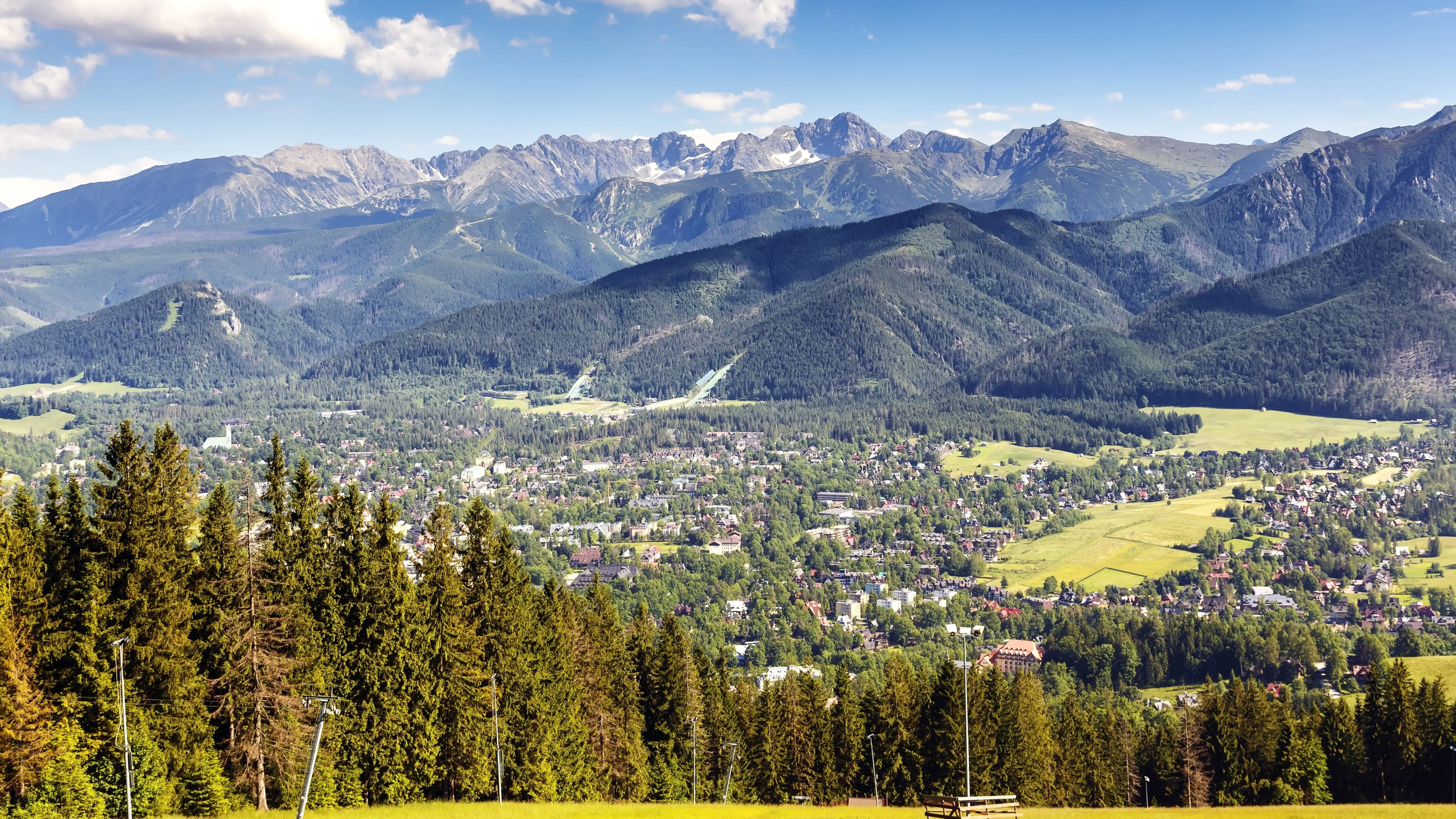
Gubałówka offers a broad perspective toward the Tatras from the hillside above town. It is not the same experience as entering the high-mountain national park, and that distinction is useful when choosing a program for travelers with different interests or mobility needs.
A viewpoint visit depends on visibility and the operation of the relevant transport. It can be combined with a town-based cultural day rather than consuming the whole itinerary. The region’s appeal does not disappear when clouds obscure the peaks: architecture, museums and regional traditions provide meaningful alternatives.
How long to stay and how to plan
Make this part of your Poland journey
VisitPoland by Polish Travel Quo Vadis
Tell us which places and experiences interest you, when you would like to travel and the pace you prefer. We will use those ideas to discuss a tailor-made proposal.