Masuria
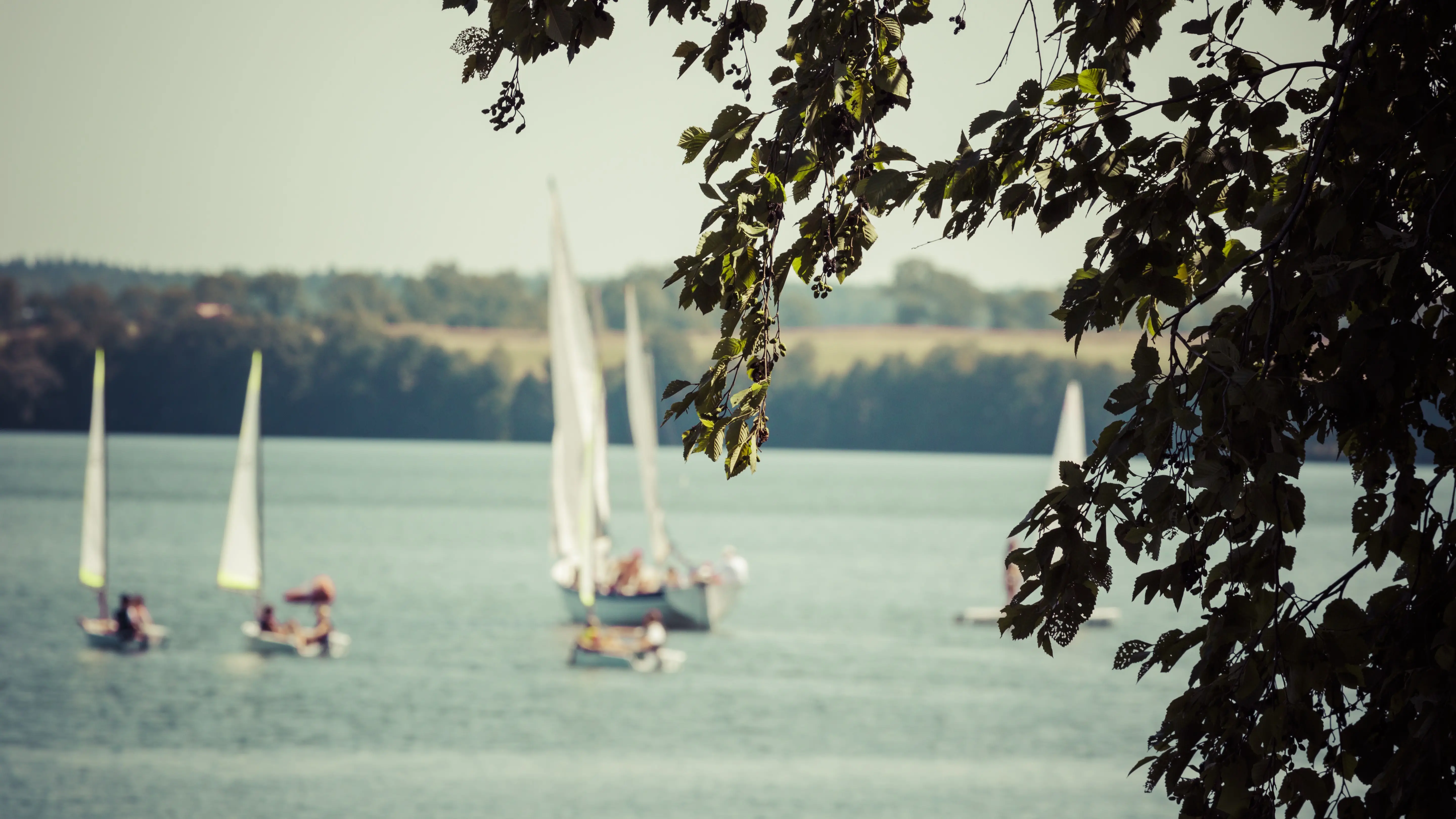
Masuria is a landscape to stay in, not a list of lakes to collect.
Waterways, forests, small towns and traces of a complex regional history invite a slower kind of Poland journey. A harbor afternoon, an interpreted forest walk and a cultural visit can belong in the same stay. The right base and a realistic route matter more than attempting to cover the entire lake district in a few days.Suggested stay
Region
Trip style
Explore this page
Have any other questions?
Need more information before planning your visit to Masuria? Get in touch with us to discuss your ideas, ask a question or explore options for your trip.
More than scenery: the region behind the lakes
The lakes and rolling landscapes of northeastern Poland reflect the work of past glaciation. Water and forest shape both the region’s appearance and the way people move through it. Roads do not simply run straight between every lake, and a short distance on a map can involve a longer journey around water or through smaller settlements.
Masuria also has a layered cultural history. The former East Prussian setting, Polish-speaking Masurian communities, German influences, religious differences and the upheavals of the twentieth century have all left traces. Churches, cemeteries, towns and former estates reveal a more complicated place than an empty natural playground.
Warmia and Masuria are often mentioned together because they share a modern administrative region, but they are historically distinct. Olsztyn is in Warmia, and visits there should be described as an extension into Warmia rather than proof that every attraction in the province is Masurian. This distinction becomes especially important in heritage itineraries.
For a first visit, choose between the central Great Masurian Lakes, the southern forests and waterways, and a wider cultural journey. Trying to combine all of them with every castle and memorial produces more driving than time by the water.
Choose the right part of the lake district
Mikołajki and the central lakes
Mikołajki is a recognizable base for experiencing the central lake district, with a waterfront and a strong boating identity. It suits travelers who want access to lake-based activities while retaining the services of an established visitor town.
The most rewarding stay includes time away from the busiest harbor area. A selected boat outing, a lakeside walk and a nearby cultural or nature visit can create a varied day. Passenger cruises and other water activities follow seasonal schedules and weather
Giżycko and Lake Niegocin
Giżycko offers another major base in the Great Masurian Lakes area. Its waterways and harbor life connect naturally with the region’s boating culture, while the Boyen Fortress introduces a very different historical layer.
A stay here can balance time outdoors with town-based visits, making it useful when the group does not want every day organized around the water. The choice between Giżycko and Mikołajki should reflect the intended route and accommodations, not a claim that one is universally the best base. Changing bases daily usually reduces the benefit of a slower regional stay.
Ruciane-Nida and Pisz Forest
The southern lake district has a different rhythm, with forest landscapes and access to waterways around Ruciane-Nida and the Pisz Forest. It can suit travelers seeking a quieter base and a greater emphasis on nature interpretation.
The landscape is not an unrestricted wilderness. Protected areas, forestry and local communities all shape access. Choose a suitable guided walk or an arranged nature experience rather than assuming that every lakeshore can be reached freely. A longer stay allows the group to respond to weather and enjoy the setting without constant transfers.
Krutynia and the river landscape
The Krutynia area is associated with river-based tourism, woodland and a slower experience of the landscape. The appeal lies partly in the intimacy of the waterway compared with the broad open lakes.
Activities should match participants’ experience and the current conditions, with qualified local operators where needed. A river day can also be enjoyed through walks, interpretation and village stops without requiring everyone to take part in a water activity. Keep group needs and environmental rules central to the plan rather than treating one activity as compulsory.
Mrągowo and the surrounding countryside
Mrągowo provides a town-based perspective on the lake district, with a waterfront setting and cultural life that differs from the major sailing centers. It can be a useful base or a stop within a broader regional route.
The surrounding countryside offers smaller-scale landscapes and places that work well in a road-based program. Choose a theme and a manageable area rather than adding every nearby town. Events and seasonal programs can enrich a stay when dates align, but they should not be presented as permanent features available whenever travelers arrive.
Cultural stops that deepen the journey
Boyen Fortress
The Boyen Fortress in Giżycko introduces nineteenth-century military infrastructure within a landscape now strongly associated with holidays and boating. Its earthworks and buildings reveal how strategically important the region’s waterways and routes once were.
A visit can be approached through architecture, engineering and regional history without turning it into a spectacle of warfare. The grounds are extensive, so the chosen route should fit the time and mobility of the group. It is a useful counterpoint to a lakeside day and a reminder that Masuria’s history extends beyond scenic relaxation.
Wojnowo and Old Believer heritage
Wojnowo introduces the history of Old Believer settlement and religious life in the region. Its buildings, cemetery and landscape offer a more intimate cultural encounter than the major lake resorts.
This is a place of heritage and remembrance, not an exotic display. Access to specific buildings and interpretation should be arranged around current local guidance. A visit works especially well in a southern Masuria route, connecting village history with the surrounding river and forest landscapes. The emphasis should be on understanding a community’s place in the region.
Święta Lipka
Święta Lipka’s sanctuary is a major Baroque religious site near the boundary of the region’s historical landscapes. Architecture, decoration and musical associations make it a meaningful cultural addition to a lake-based journey.
As an active place of worship, the visit must respect services. Any organ presentation or musical event requires a confirmed schedule rather than an assumption. The sanctuary can anchor a heritage-focused excursion, but it should not be inserted into a nature day without allowing the travel time and attention it deserves.
Warmia and the Olsztynek open-air museum
An extension toward Warmia can include the Museum of Folk Architecture in Olsztynek, which presents buildings and rural traditions from the wider region. The open-air setting helps explain the relationship between domestic life, craft and landscape.
Describe this as a separate geographical and cultural addition, not as a central-lakes attraction. The museum’s scale and seasonal conditions affect the visit. It can make a useful stop when traveling into or out of the lake district, especially for travelers who want a broader understanding of regional life beyond leisure on the water.