Warsaw,beyond the postcard
Discover royal landmarks, Chopin’s music and life along the Vistula. Let VisitPoland shape a stay around your interests.
Explore the Old Town, discover Warsaw’s Jewish heritage and enjoy its parks, cafés and creative neighbourhoods. Discover the city with local insight and time to explore at your own pace.Suggested stay
Region
Trip style
On this page
Have any other questions?
Need more information before planning your visit to Warsaw? Get in touch with us to discuss your ideas, ask a question or explore options for your trip.
A capital that needs more than a checklist
Warsaw grew from a Mazovian settlement into a center of royal and parliamentary life. Its position on the Vistula mattered: the river connected people, goods and political territories long before modern roads and railways. When the royal court moved from Kraków at the end of the sixteenth century, Warsaw’s role expanded. Palaces, churches and residences along the Royal Route still explain that relationship between political power and the city’s geography.
The elegant historic center should not be mistaken for an untouched medieval town. German occupation, the destruction of the Warsaw Ghetto and the suppression of the Warsaw Rising left the capital profoundly changed. The Ghetto Uprising of 1943 and the Warsaw Rising of 1944 were distinct events, with different participants and circumstances. Understanding that distinction is important when visiting museums and memorials.
Postwar reconstruction was a cultural undertaking as well as an architectural one. The Old Town’s inscription on the UNESCO World Heritage List recognizes this exceptional reconstruction, rather than claiming that everything visible survived intact. Beyond it, socialist-era planning, restored prewar streets and contemporary architecture tell different chapters of recovery and change. Warsaw is not simply a city rebuilt to look backward. It is also a working capital whose cultural life continues to reshape its streets.
A useful first visit combines three perspectives: the royal city, the twentieth-century city and the city people live in today. Trying to compress all three into a short Old Town walk leaves out much of what makes Warsaw distinctive.
YOUR WARSAW VISIT
See Warsaw your way
From an Old Town walk to a longer stay in the capital, tell us what you would like to experience. Share your dates, group size and interests, and we will help shape a visit around you.
Royal Warsaw and the historic center
Warsaw Old Town and Castle Square
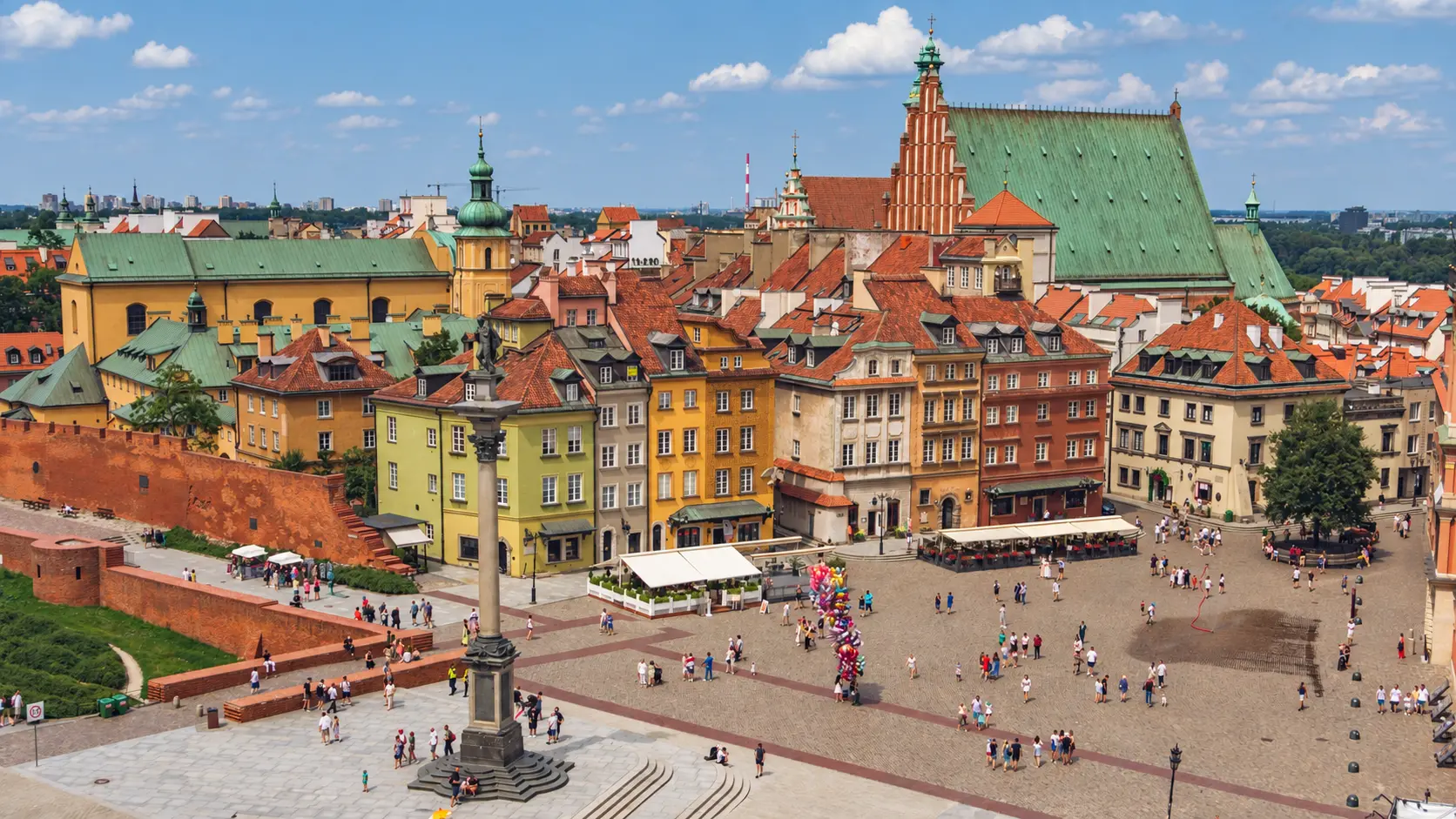
Begin at Castle Square, where the column of King Sigismund III marks the entrance to the historic center. Walk beyond the main square into narrower streets, the Market Square and the area around the Barbican. The change in scale is part of the appeal: a few turns take you from a ceremonial arrival point into intimate courtyards and small urban spaces.
Read more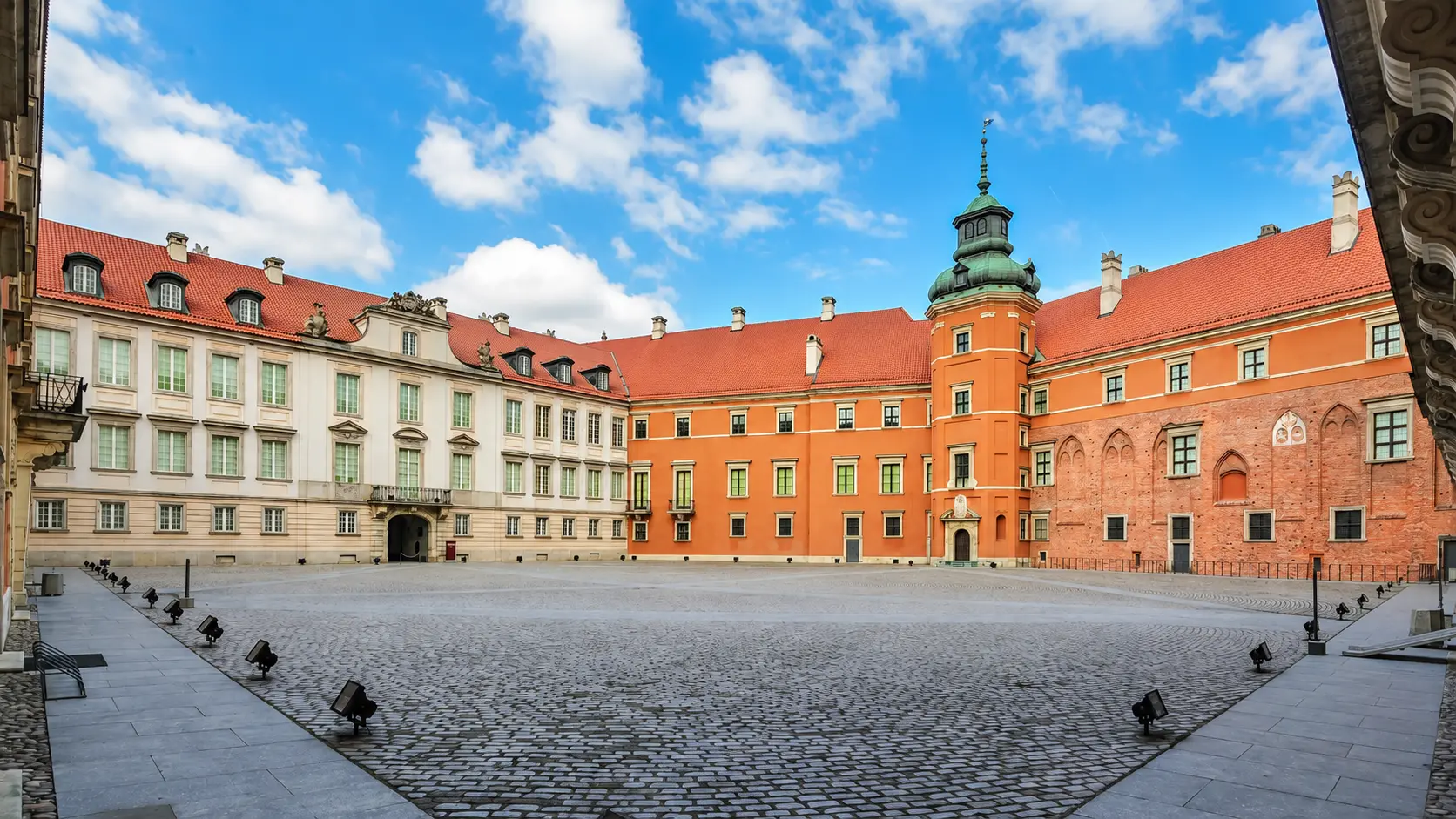
The Royal Castle in Warsaw
The Royal Castle brings the political story into focus. Royal Apartments, parliamentary rooms and art collections connect the residence with monarchy, the Polish–Lithuanian Commonwealth and the Constitution of May 3, 1791. Reconstructed interiors also raise a compelling question: how can a country recover cultural continuity after the physical setting has been lost?
Choose the exhibition route around your interests. Ceremonial rooms suit a first visit, while paintings and collection-focused galleries reward a more specific art itinerary. The castle should not be squeezed between several other ticketed museums. Allow time to understand the building, then return outdoors toward the gardens and the Vistula. Available galleries and entrance arrangements need checking for the intended date.
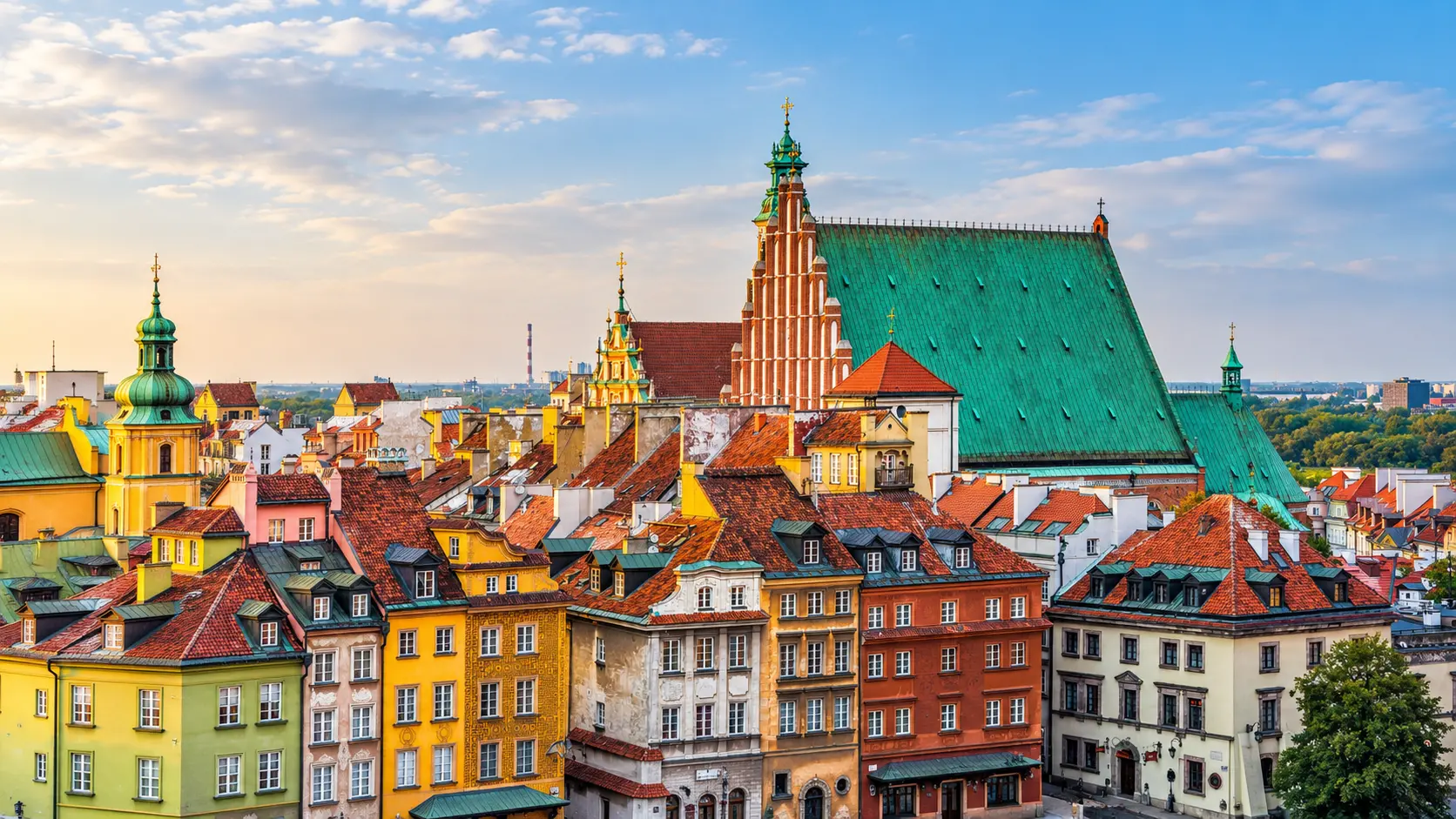
St. John’s Archcathedral and the New Town
St. John’s Archcathedral belongs to the religious and civic history of Warsaw, with associations reaching far beyond the architecture visible today. Its rebuilding is another part of the story of the Old Town. As an active place of worship, it needs a different rhythm from a museum: services and visitor access take priority over a sightseeing timetable.
Continue toward the New Town, historically a separate settlement, to see a less ceremonial side of the old city. Freta Street and the area around New Town Market Square work well as an extension rather than a hurried detour. The nearby Maria Skłodowska-Curie Museum offers a distinct scientific biography for travelers who want more than royal history.
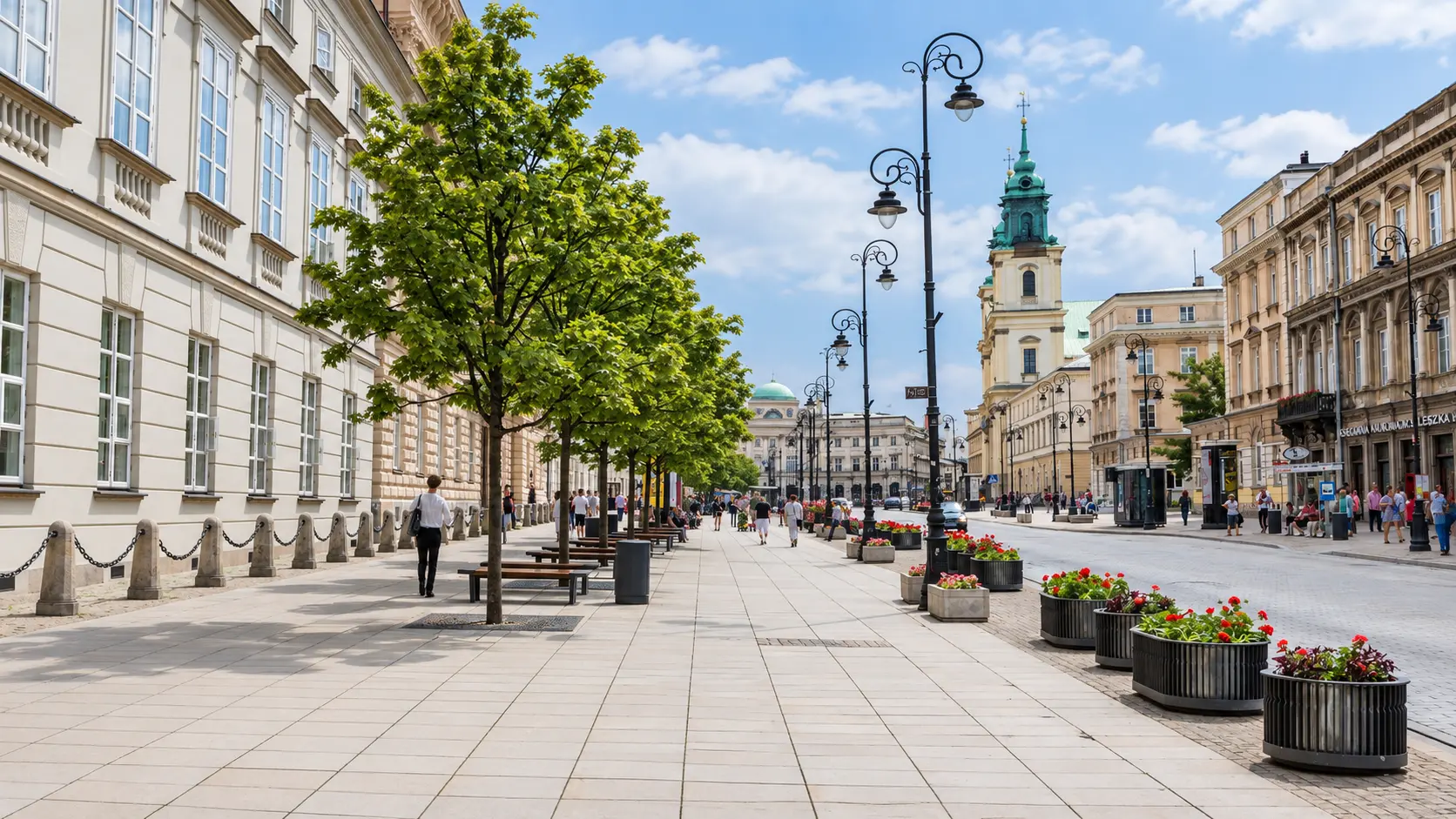
The Royal Route and Holy Cross Church, Warsaw
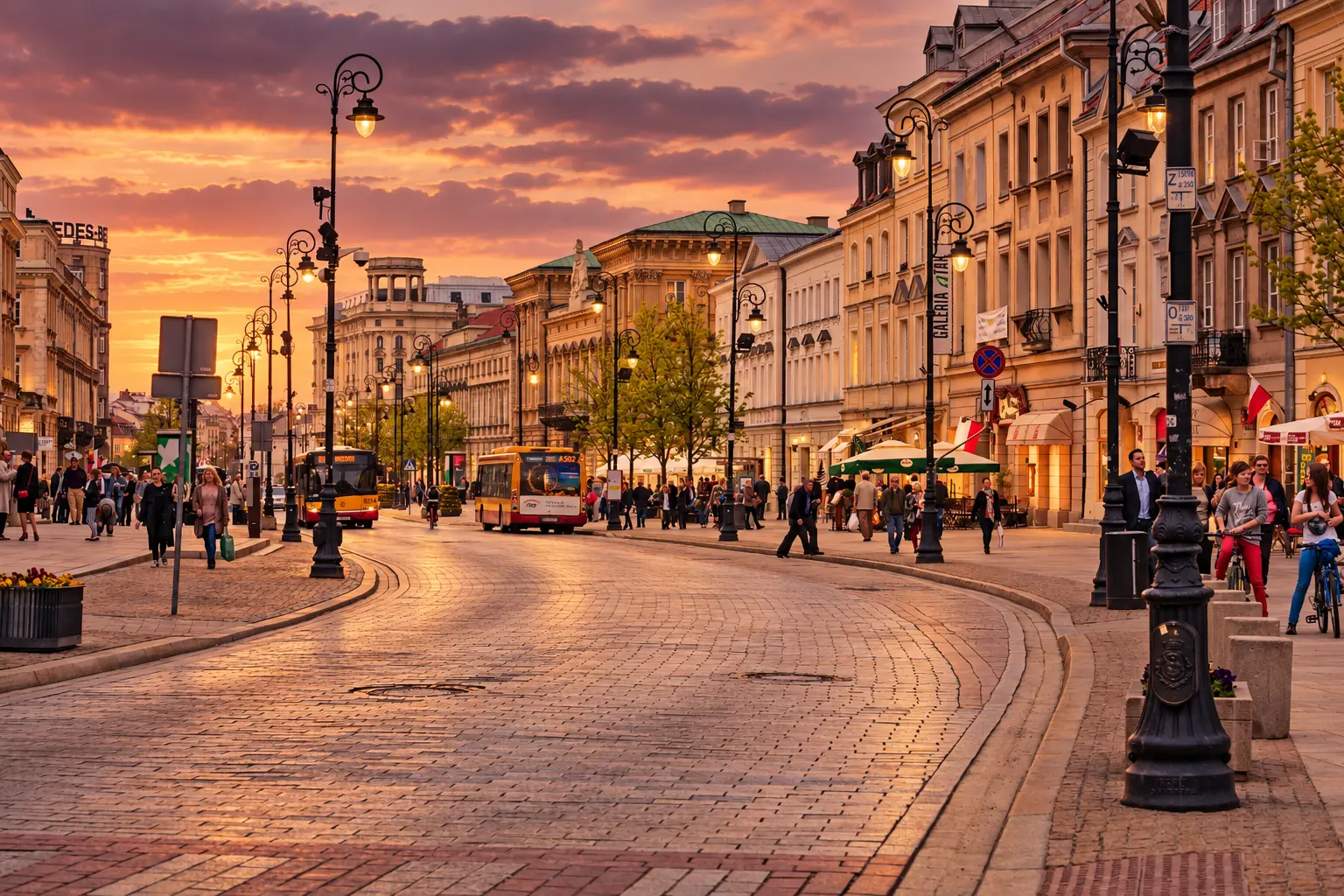
Krakowskie Przedmieście and Nowy Świat connect major institutions, churches and palaces with everyday cafés and street life. This is not one continuous museum precinct: the Royal Route is a useful way to understand how courtly Warsaw became a modern capital. The university, Presidential Palace and monuments provide different starting points for that story.
Holy Cross Church is particularly significant for visitors following Chopin, whose heart is preserved here. Combine it with the composer’s museum and music, not just a photograph of a plaque. Religious services, concert schedules and museum admission are separate arrangements. A short guided walk is often more revealing than attempting every interior along the avenue.
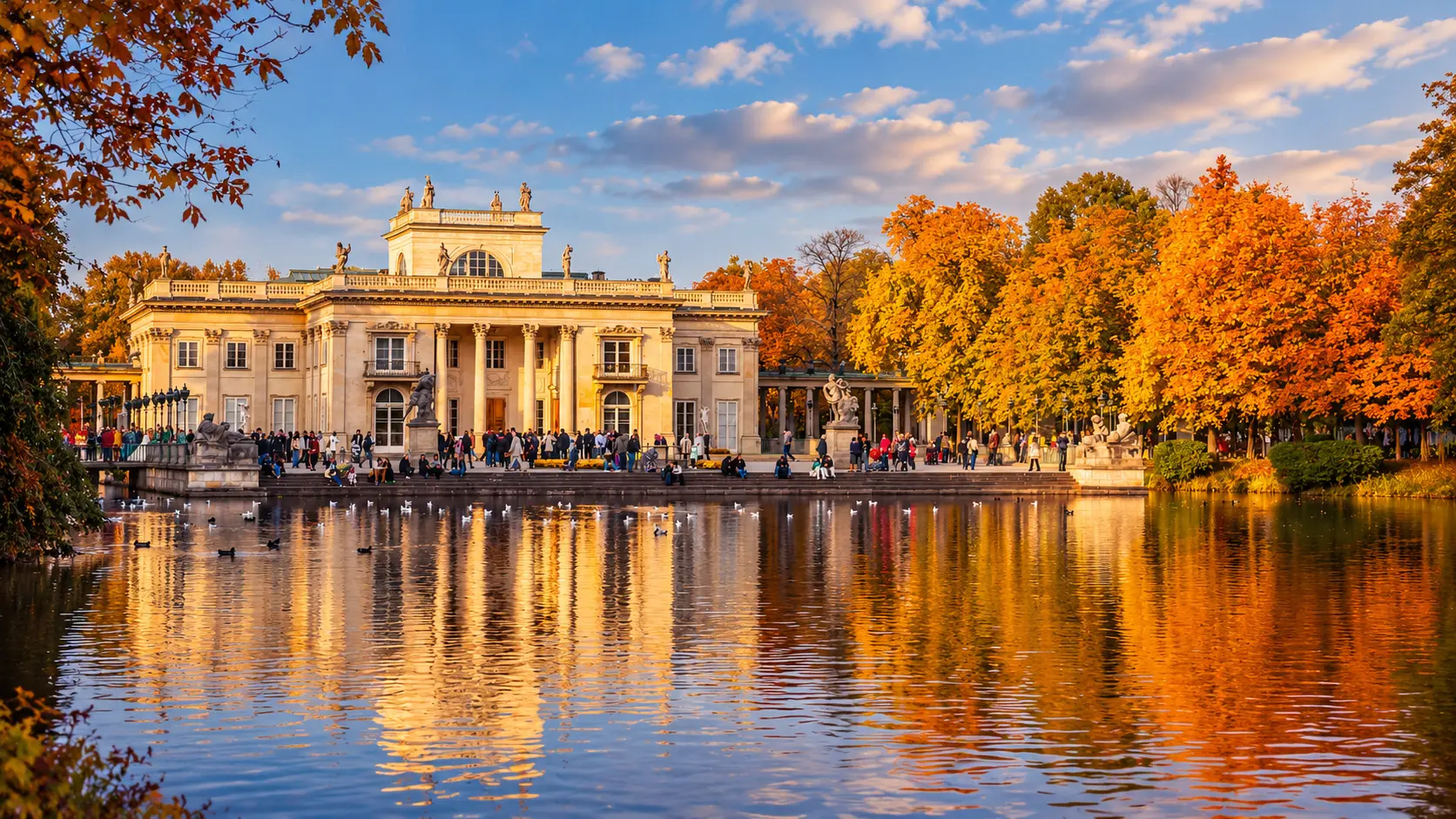
Royal Łazienki Park, Warsaw
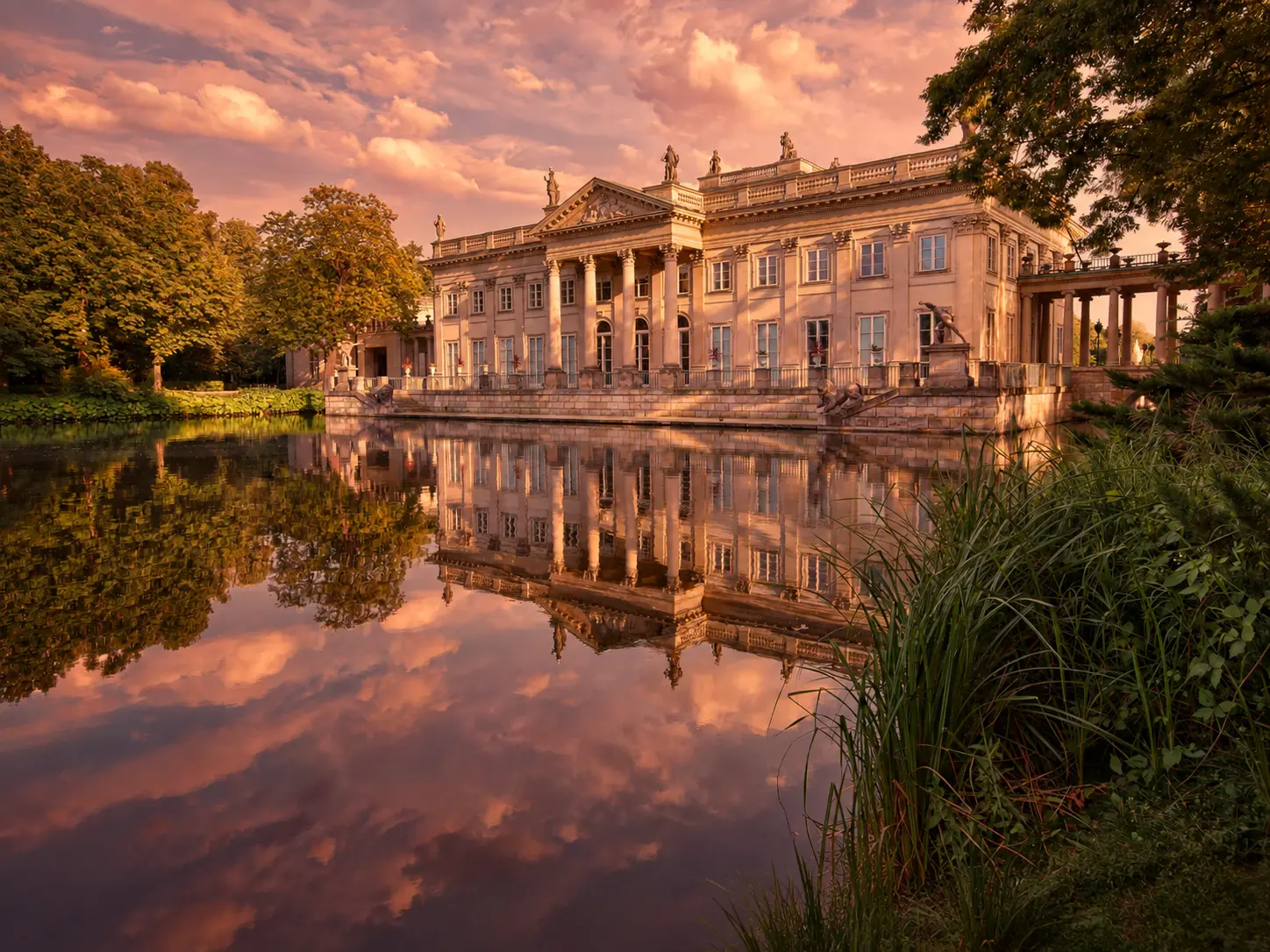
Royal Łazienki changes the pace. Landscaped paths, water, classical buildings and the Palace on the Isle reveal the world of King Stanisław August and the cultural ambitions of the eighteenth-century court. The setting rewards unhurried looking: architecture and landscape were conceived together, not as separate attractions.
The Chopin Monument introduces another period of Polish cultural history. Outdoor concerts are a seasonal possibility, not a year-round inclusion. A garden walk, palace interiors and a performance are three different ways to experience Łazienki, and they do not all need to fit into one visit. Combine the park with a relaxed afternoon rather than using it as a short transfer stop.
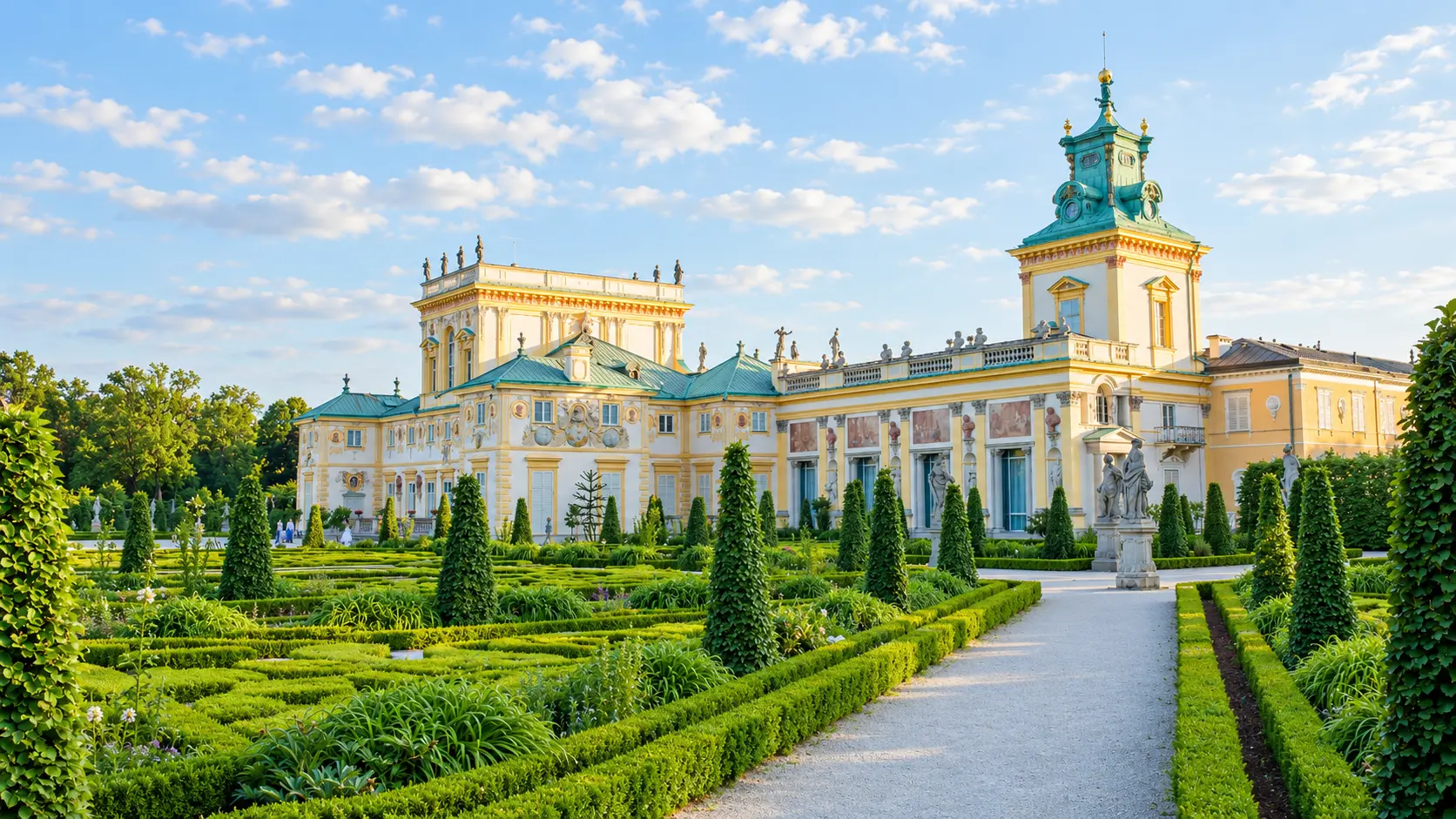
Wilanów Palace and gardens, Warsaw
Wilanów, associated with King Jan III Sobieski, offers a different royal residence from the castle in the center. Its Baroque architecture, decorative program and gardens help explain how a ruler wished to be represented, while the museum also explores the later owners and changing life of the estate.
Wilanów lies away from the compact Old Town and deserves its own travel allowance. For a first visit, choose the palace and gardens as a substantial half-day idea rather than adding them after a full museum schedule. Garden displays, exhibitions and access to individual rooms change. The park can be especially rewarding for travelers interested in landscape design, but seasonal conditions shape the experience.
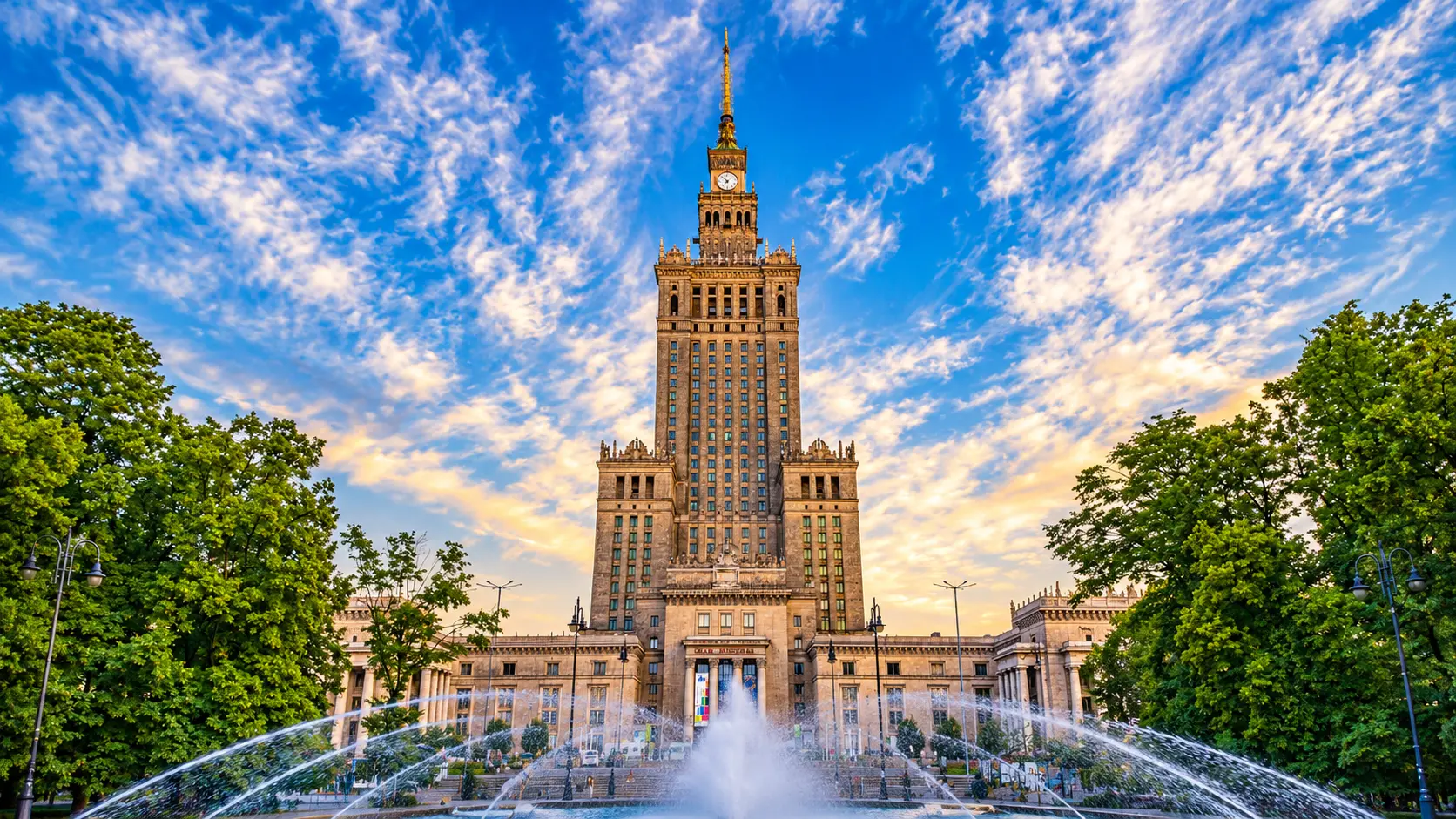
Palace of Culture and Science, Warsaw
The Palace of Culture and Science is an unavoidable part of Warsaw’s skyline and a useful starting point for discussing the city’s postwar history. Its scale, ceremonial spaces and relationship with surrounding development reveal a very different vision of a capital from the Royal Route.
Treat it as a building with a contested historical meaning, not simply a viewpoint. An exterior architectural walk can connect it with postwar urban planning and the changing center around it. A terrace visit is a separate option, dependent on current access and visibility. The nearby Museum of Modern Art makes an effective contemporary counterpoint, linking architectural history with the city’s present cultural ambitions.
Museums that tell different stories
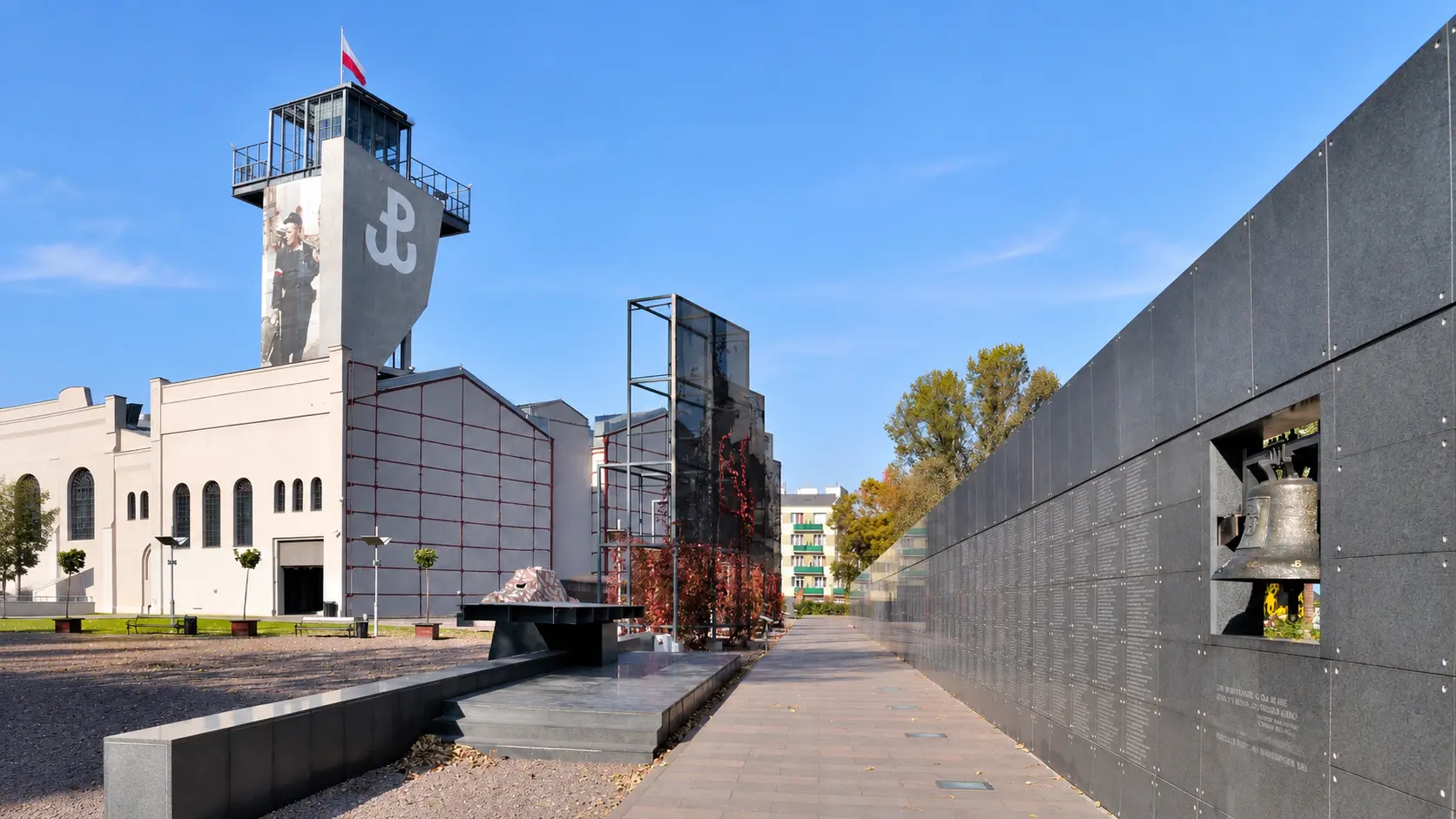
Warsaw Rising Museum
The Warsaw Rising Museum examines the 1944 uprising, occupation and the lives of those caught up in the struggle for the city. Its narrative helps explain why the postwar reconstruction seen in the Old Town carries such significance. It is not the museum of the 1943 Warsaw Ghetto Uprising.
This is a substantial and emotionally demanding visit, not an entertaining interlude in a busy day. Pair it with a quieter walk in Wola or a discussion of the city’s reconstruction. Families should consider the needs and ages of their children, and group organizers should allow time for orientation and questions rather than planning a quick pass through the displays.
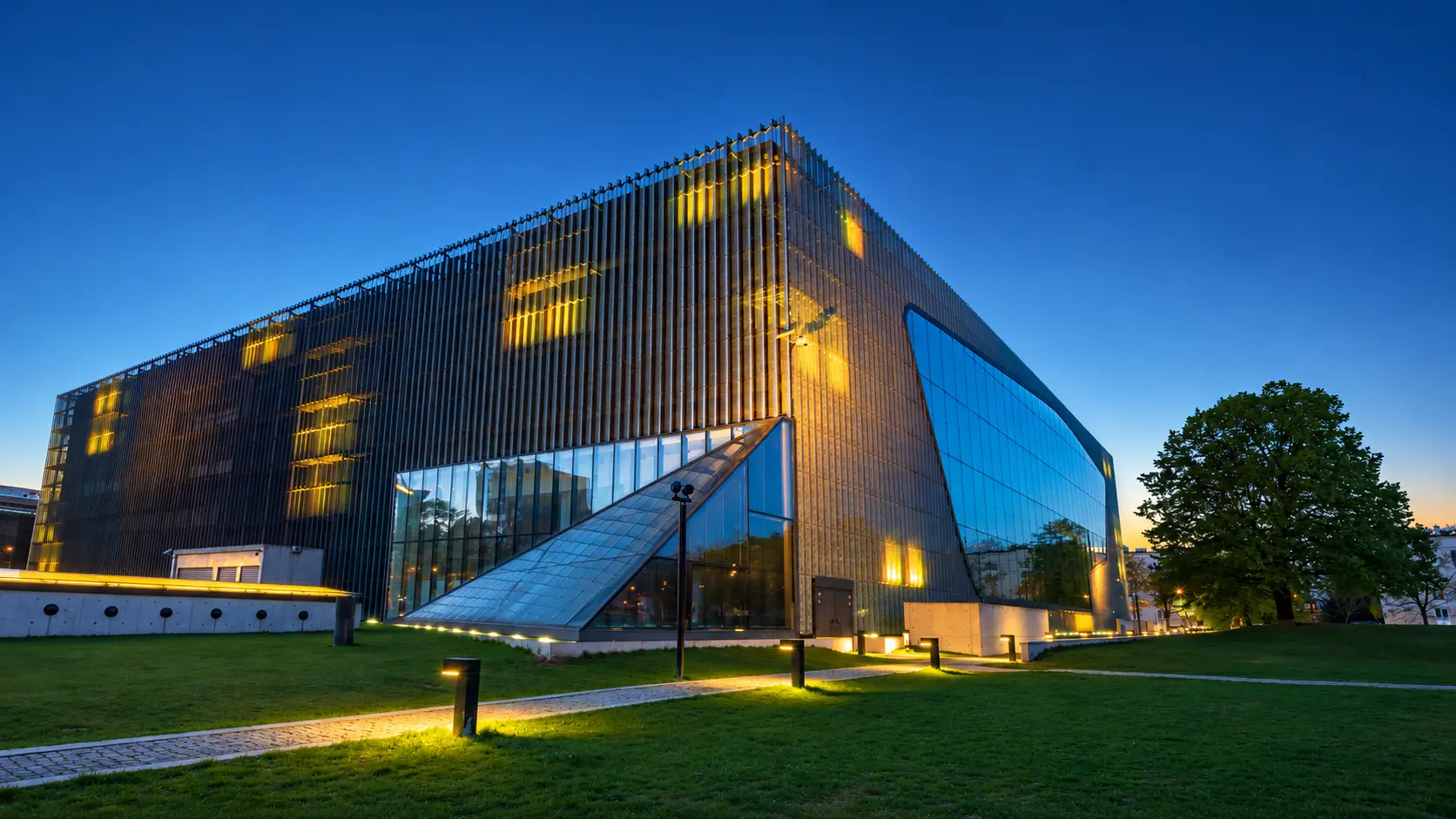
POLIN Museum of the History of Polish Jews
POLIN’s core exhibition presents a thousand years of Jewish life in the Polish lands. Religion, learning, everyday culture, political changes and modern identities belong to that history alongside the Holocaust. This breadth makes POLIN especially valuable early in a Jewish heritage journey, before visiting sites whose stories are dominated by wartime destruction.
The museum stands in Muranów, in the area of the former ghetto, opposite the Monument to the Ghetto Heroes. The exhibition and the surrounding city should be read together, but neither replaces the other. Allow space for reflection and consider a specialist guide where family history or particular communities are the focus.
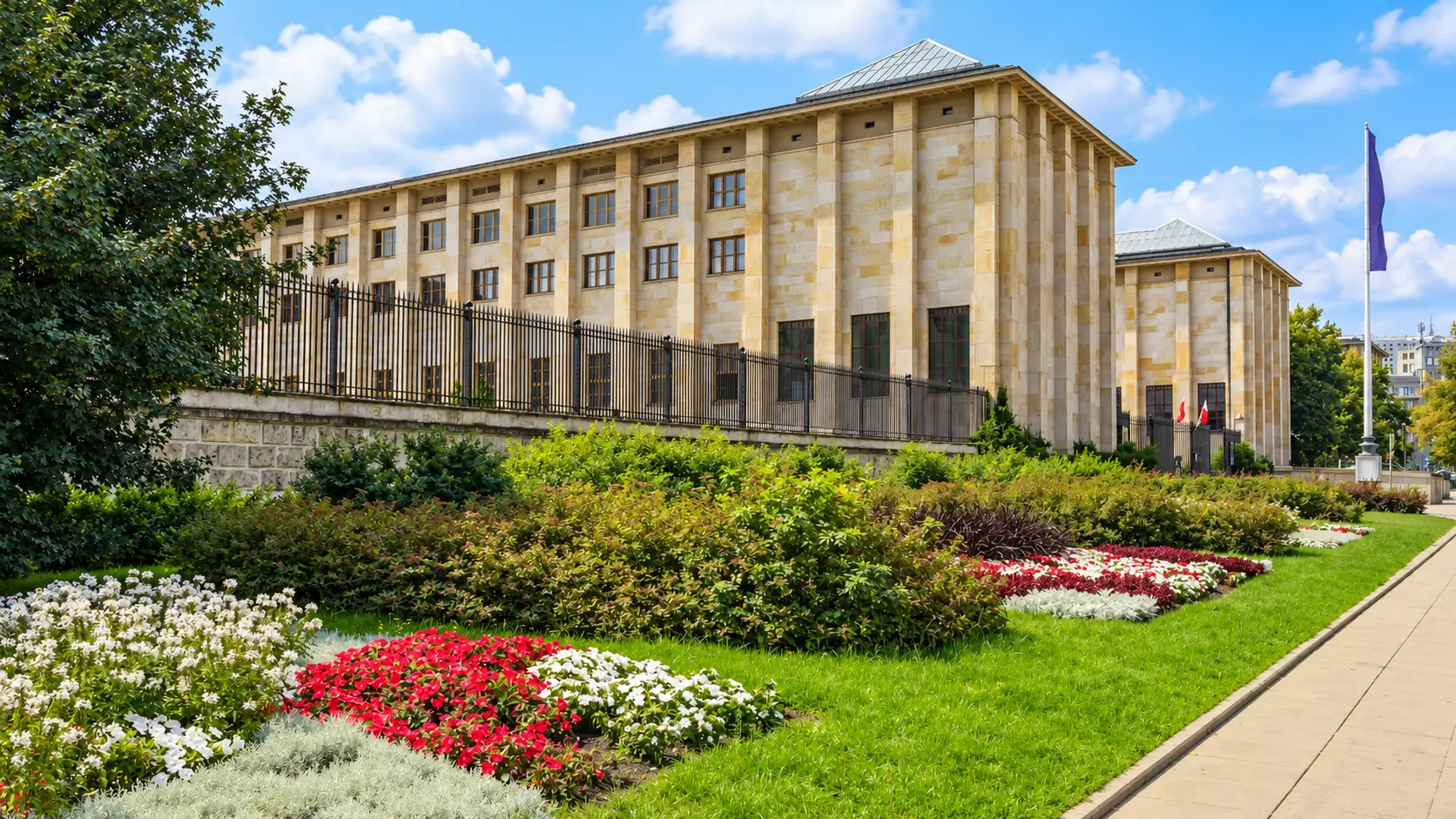
National Museum in Warsaw, Warsaw
The National Museum broadens a visit beyond political history. Its collections range across different periods and cultures, with the Faras Gallery offering an especially distinctive encounter with art from Christian Nubia. Medieval art, Polish painting and design create several possible routes through the museum.
Choose a collection rather than trying to see everything. A traveler interested in nineteenth-century Poland may connect paintings with the cultural questions raised elsewhere in the trip; a design-focused visit can explore a different strand. Temporary exhibitions and the availability of individual galleries should be checked separately. This is a strong option for a deliberately art-led day in the capital.
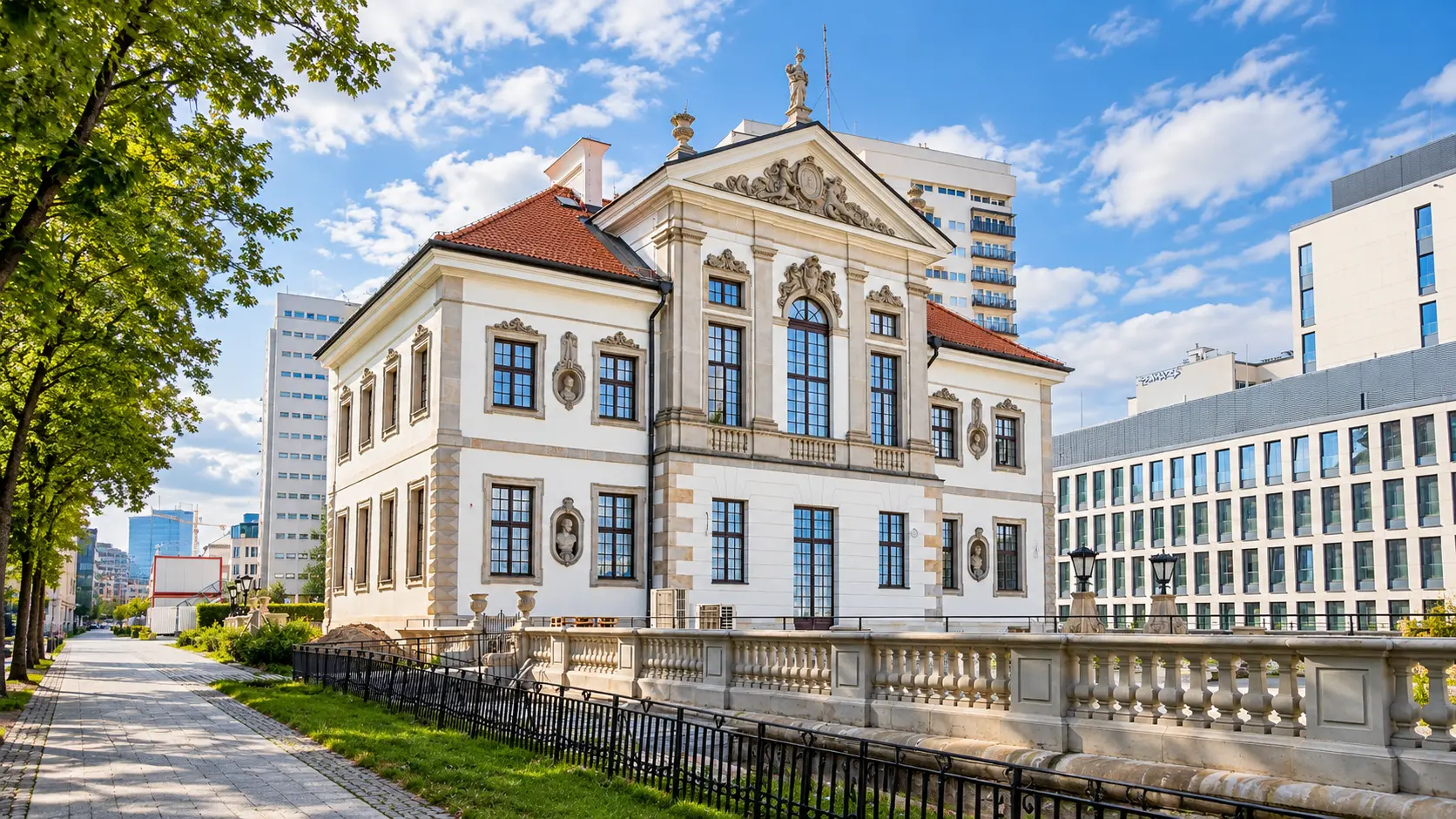
Fryderyk Chopin Museum, Warsaw
The Chopin Museum in the Ostrogski Palace introduces the composer through his life, music and surviving personal traces. It complements the places associated with his Warsaw years, making the connection between a celebrated name and the cultural world in which he grew up.
A meaningful Chopin itinerary needs listening time. Pair the museum with selected Royal Route locations and, where the calendar allows, a recital. Żelazowa Wola is a separate excursion outside Warsaw, not another stop on a city walking route. Current exhibition arrangements should be checked before fixing the order of visits, especially for specialist music groups.
Museum of Warsaw
Set in historic townhouses around the Old Town Market Square, the Museum of Warsaw uses objects and collections to reveal how the city has been made, inhabited and remembered. It is particularly useful after an introductory walk: details that might otherwise look decorative begin to acquire social and historical meaning.
This is a different experience from a museum focused on one event. Everyday things, urban stories and the buildings themselves can change the way you look at the streets outside. The museum is a good choice for travelers who enjoy a place in depth rather than simply collecting its most recognizable views.
Museum of Modern Art in Warsaw
The Museum of Modern Art places contemporary artistic questions in the center of the capital. Its building at Plac Defilad is part of the continuing transformation of a highly symbolic urban space. The contrast with the Palace of Culture and Science makes an architectural encounter worthwhile even before considering the exhibitions.
The program is exhibition-led, so the right visit depends on what is showing. Do not assume a particular work or collection display will be available year-round. Combine the museum with galleries, design or an exploration of the changing city center to create a contemporary Warsaw itinerary rather than treating modern art as an afterthought.
Copernicus Science Centre
The Copernicus Science Centre offers an interactive approach to scientific questions and is well suited to a visit organized around curiosity rather than a conventional guided lecture. It belongs naturally in a riverside day, with the Vistula and Powiśle providing space before or after the indoor experience.
It is a popular attraction with families, but it should not be labeled only as a children’s stop. Different ages engage with exhibits differently. Timed admission and any planetarium or special-program arrangements need checking separately. A clear plan works better than adding the center late in a day already filled with historic interiors.
The Citadel and Polish History Museum
Warsaw’s Citadel offers a different setting for the national story: a nineteenth-century fortress associated with imperial rule, repression and later uses. The Polish History Museum introduces national history within this historically charged landscape. Architecture, the grounds and the exhibitions create distinct layers of a visit.
Confirm the current exhibition program and which spaces are available rather than assuming that every planned permanent gallery is open. The Citadel can be combined with Żoliborz for a northern Warsaw day. This is a useful choice for repeat visitors or travelers who want to place the capital’s story in a broader Polish context.