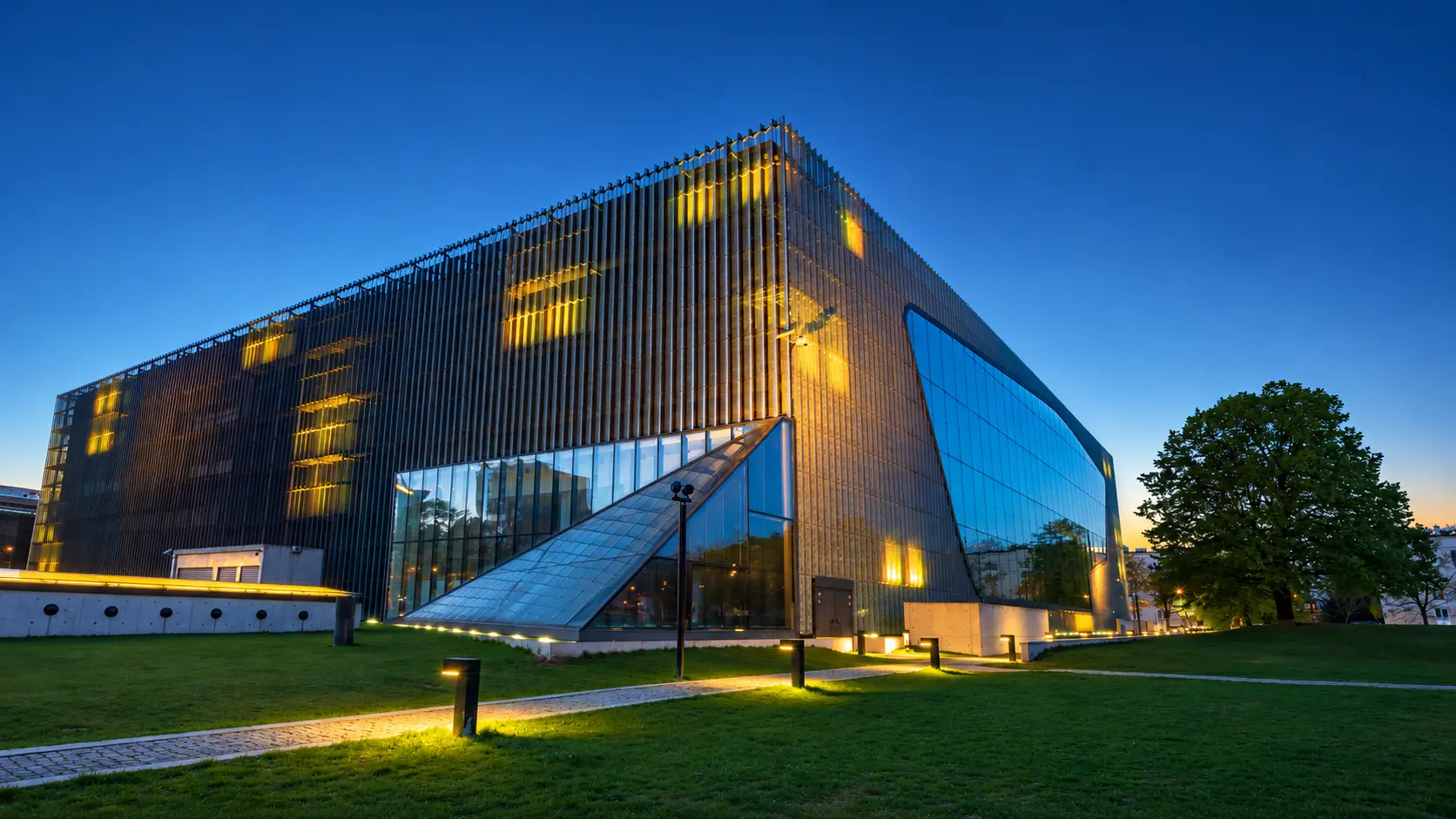
POLIN Museumthe History of Polish Jews
A thousand years of history, with lives at its center.
Discover a thousand years of Jewish history at POLIN Museum in Warsaw, from culture and everyday life to remembrance and contemporary connections.Suggested visit
Location
Visit focus
POLIN Museum of the History of Polish Jews
POLIN is a museum of Jewish history in the Polish lands, not only a museum of the Holocaust. Its broad perspective makes room for religious life, education, work, artistic expression and changing identities across many centuries. That scope is important when planning a heritage visit. Communities should not be understood solely through their destruction. Begin with the people and the worlds they created, then allow the later chapters to be encountered within that fuller history.
A history wider than one city
The core exhibition moves through a thousand years, from early encounters and settlement to modernity, the Holocaust, postwar life and the present. Warsaw is the museum’s location, but the story extends across the Polish lands and changing political borders.
This is a useful introduction before traveling to other places connected with Jewish history. It provides questions to carry with you: how did communities organize their lives, which languages and traditions shaped them, and how did relations with their neighbors change?
Avoid expecting a single uninterrupted story of harmony or conflict. The value of a long historical view lies in seeing differences between periods and communities, rather than reducing them to one general statement.
Look at a world built through culture
The reconstructed painted ceiling of the wooden synagogue from Gwoździec is one of the exhibition’s most distinctive elements. Its forms and colors offer an entry into religious art and the skilled work involved in creating a communal space.
The ceiling is a reconstruction, not a surviving original transported intact into the museum. That distinction is part of what makes it interesting. It invites questions about documentation, craft and how material culture can be studied and communicated after the original setting has been lost.
Do not make it the only thing you notice. Relate the visual impression to the people, customs and social life explored around it.
Modern lives and different choices
Later sections address the changes brought by new political borders, urban growth and modern cultural life. They also bring questions of language, identity and belonging into focus.
Look for differences between individual experiences rather than assuming that one background produced one way of living. The museum’s use of historical voices can help make those choices more specific. Newspapers, personal accounts and cultural material are ways into debates that were lived at the time, not merely categories assigned afterward.
The Holocaust is an essential part of the exhibition, but the narrative does not end there. Postwar history and contemporary Jewish life also belong to the subject.
The museum and Muranów
POLIN stands in the area of the former Warsaw ghetto, opposite the Monument to the Ghetto Heroes. The relationship between exhibition and location matters, although a walk outside and a visit inside answer different questions.
The surrounding city requires interpretation: what survives, what was rebuilt and what is marked through remembrance cannot always be understood from appearance alone. A carefully planned neighborhood walk can provide that context without treating a place of memory as a collection of photo stops.
The Warsaw Ghetto Uprising of 1943 should not be confused with the Warsaw Rising of 1944. Our Warsaw Rising Museum guide addresses the latter separately.
Plan for depth rather than speed
We recommend allowing a substantial part of the day when the core exhibition is a priority. Choose a guided or independent approach according to your interests, and check the current options and language support before confirming the visit.
For a family-history journey, identify the communities or questions that matter before planning the route. A general museum visit cannot promise genealogical findings or meetings with particular people.
The Museum of Warsaw offers a broader urban perspective, while the Citadel and Polish History Museum introduce a different national-historical setting. Use the Warsaw guide to connect these places according to your interests, not simply their position on a list.
YOUR WARSAW VISIT
See Warsaw your way
From an Old Town walk to a longer stay in the capital, tell us what you would like to experience. Share your dates, group size and interests, and we will help shape a visit around you.
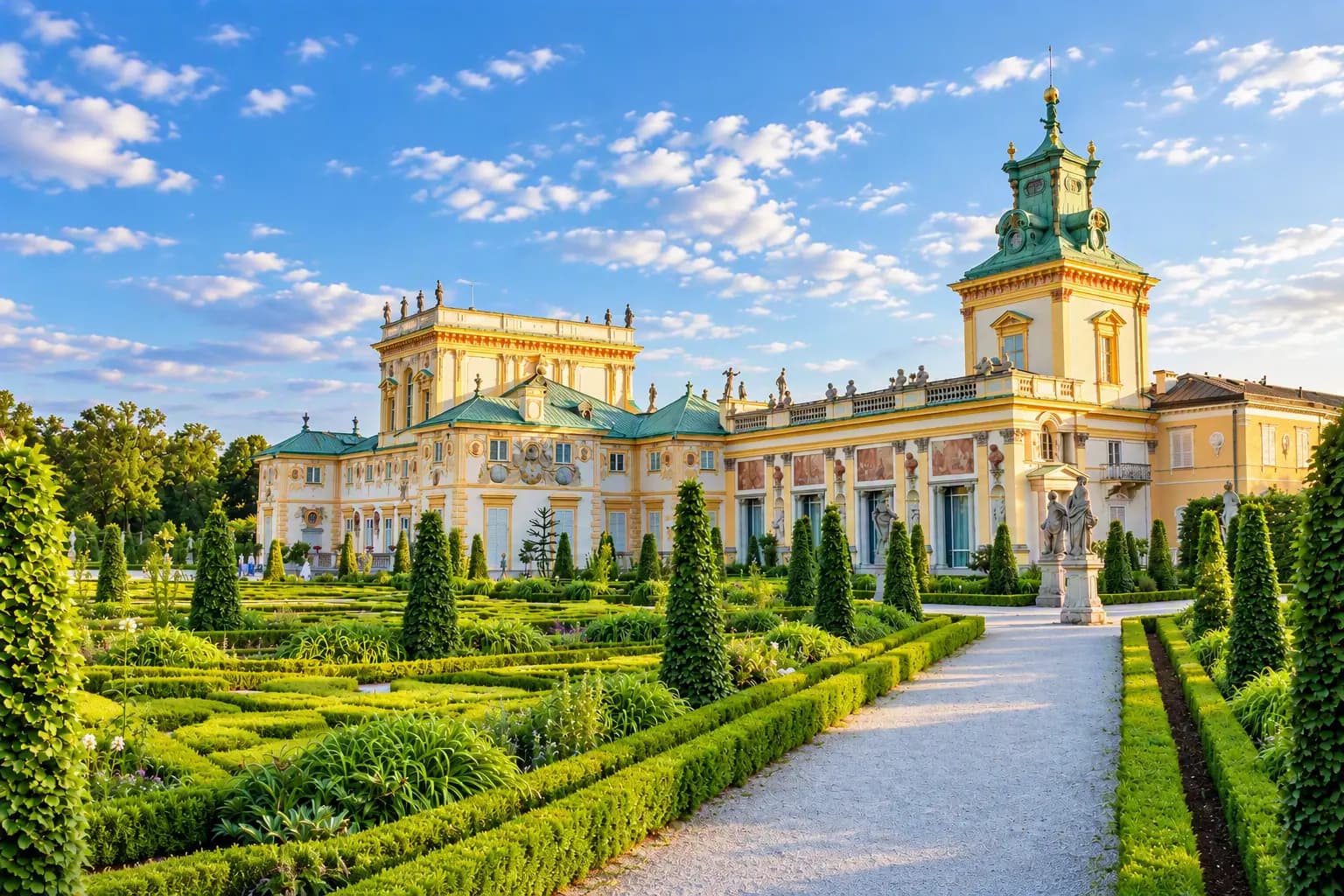
Wilanów Palace and Gardens