Warsaw Rising Museum
Understanding the city through the events of 1944.
Explore the history and purpose of the Warsaw Rising Museum. Prepare for a thoughtful visit focused on the 1944 uprising and individual testimony.Suggested Visit
Location
Visit focus
Warsaw Rising Museum
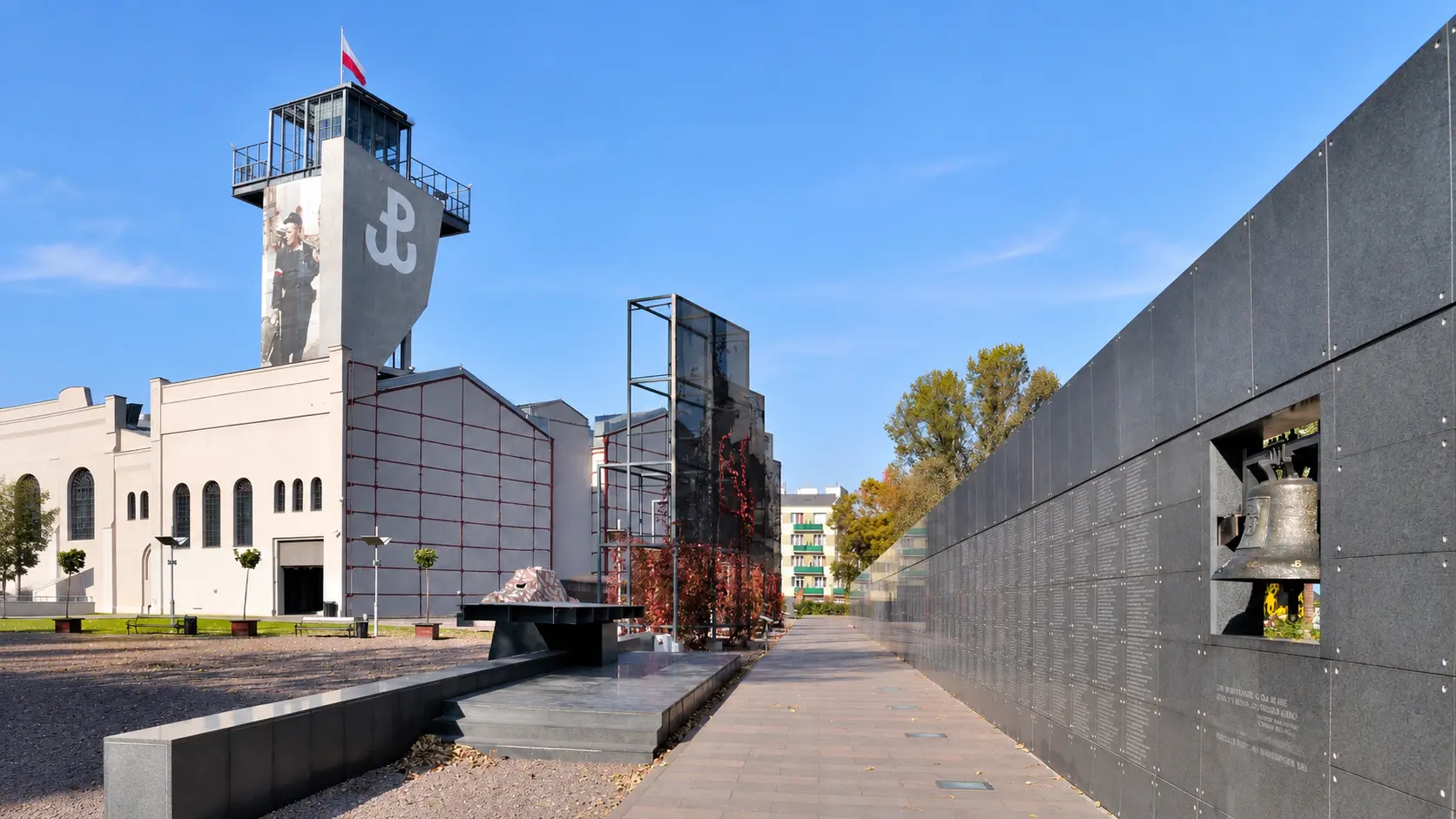
The Warsaw Rising Museum helps explain an event that profoundly shaped the capital, but it works best when approached with a clear historical question rather than as another attraction to complete. What led people to act in 1944? How did the city continue to function during the uprising? How were those experiences remembered afterward? Documents, photographs and recorded testimony connect the wider history with individual lives. The purpose of a visit is understanding, with time to absorb different kinds of evidence.
First, distinguish the two uprisings
The museum focuses on the Warsaw Rising of 1944, not the Warsaw Ghetto Uprising of 1943. These were different events, with different participants, circumstances and places within the history of German occupation.
The 1944 Rising took place in August and September and ended in early October. Its story belongs to the history of the Polish resistance, civilian Warsaw and the military and political situation at the end of the Second World War. Establishing that framework before entering the exhibition helps keep names, places and dates in proportion.
POLIN Museum offers a different perspective on Jewish history, including the Holocaust and the history of the ghetto. The institutions complement one another, but neither is a substitute for the other.
Listen to people, not only a sequence of events
The exhibition brings together the course of the Rising and daily life within the city. Photographs, documents and audio material provide ways to consider how people communicated, made decisions and understood what was happening around them.
Recorded eyewitness accounts are particularly valuable when you give them more than a passing moment. Listen to how an individual describes an experience, then consider how that account relates to the broader narrative. Personal testimony offers a perspective, not a requirement to turn every life into the same story.
For a first visit, choose a few accounts to follow attentively. Trying to hear every recording can leave less space to understand any of them.
An event within a wider war
The museum also addresses the international situation surrounding the Rising and the postwar experiences of its participants. This prevents the exhibition from being only an account of events inside Warsaw.
Questions of expectation, assistance and the political future of Poland belong to the subject. They benefit from explanation rather than quick conclusions made from a single object or caption. A specialist guide can be useful when this wider context is a priority.
The building’s exhibition narrative and your own questions do not need to be identical. It is reasonable to arrive with a particular interest, such as civilian experience, communication or the later history of remembrance.
Leave room for reflection
This is an emotionally demanding historical subject. We recommend making the museum the main indoor focus of that part of the day, rather than placing it between several other substantial exhibitions.
Families should review the museum’s visitor and educational information in relation to children’s ages and needs. The subject should not be sold as entertainment, and a group itinerary should allow room for questions rather than assuming that everyone will respond at the same pace.
Check the current route, guiding options and visitor arrangements before booking. Time for a quiet pause afterward can be as important as the planned duration inside.
Read the rebuilt city differently afterward
The museum provides context for the reconstruction encountered elsewhere in Warsaw. Our Old Town and Castle Square guide follows the streets that were rebuilt; it does not repeat the full history of the Rising.
The Museum of Warsaw offers another extension through the city’s objects and longer urban history. Choose that when the question shifts from one event to how Warsaw was lived in, represented and remembered across generations. These connections let each place contribute a different part of the story.
YOUR WARSAW VISIT
See Warsaw your way
From an Old Town walk to a longer stay in the capital, tell us what you would like to experience. Share your dates, group size and interests, and we will help shape a visit around you.